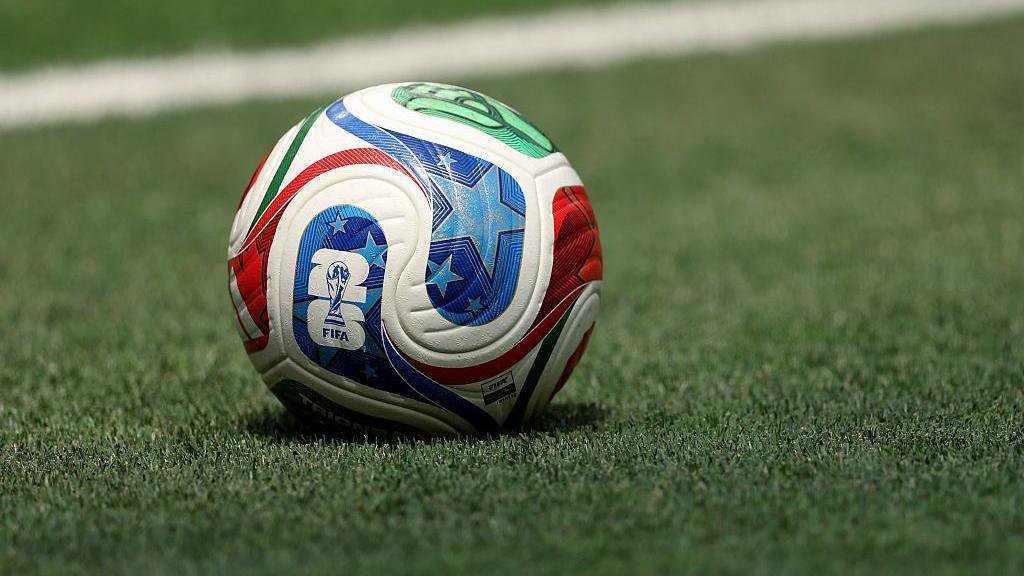
Welcome, new soccer fans! After the World Cup buzz, the game is bigger in the United States than ever. If you’re just getting into it, you’re in the right spot. This guide is built for people who know the World Cup and want to keep enjoying soccer with clarity, energy, and practical tips. Let’s break it down simply and talk like real fans.
What is soccer?
Soccer is a team sport played on a rectangular field. Two teams try to score by getting the ball into the other team’s goal. Players use any part of their bodies except their hands and arms to touch the ball—except the goalkeeper, who can handle the ball inside a designated area. In the United States we often say “soccer,” while many other countries call it “football.” This article uses both terms so you’ll recognize references anywhere.
How a typical match works
– A standard match has two halves, usually 45 minutes each, with stoppage time added by the referee.
– Each team fields 11 players at a time, including one goalkeeper.
– The team with more goals wins. If it’s tied, many leagues end in a draw; knockout competitions may go to extra time or penalties.
Key rules every beginner should know
1) Offside: An attacker can’t be ahead of the last defender when the ball is passed, unless they’re behind the ball. This keeps players from camping near the goal.
2) Throw-ins: If the ball goes out on the sideline, the team that didn’t touch it last gets a throw-in, with both feet on the ground and the ball thrown over the head.
3) Corner kicks and goal kicks: If the ball crosses the goal line and was last touched by defense, the offense takes a corner kick. If last touched by offense, the defense takes a goal kick.
4) Fouls and free kicks: Tripping, pushing, or dangerous plays can lead to a free kick or a penalty kick, depending on where the foul happened.
5) Penalties: Serious fouls inside the penalty box result in a penalty kick taken from the spot, with only the goalkeeper defending.
6) Substitutions: Teams can replace players during stoppages, but not too many at once. Fresh legs can change the game.
7) Cards: Referees can issue yellow cards for warnings and red cards for ejections, which change who can play the rest of the game.
Positions and what they do
– Goalkeeper: The last line of defense; can use hands inside the penalty area.
– Defenders: Stop attackers and help protect the goal.
– Midfielders: Link defense and attack; they control the pace and build plays.
– Forwards: Primary attackers who try to score and create chances.

How to watch and follow soccer in the United States
In the U.S., you’ll see regular matches from MLS (the top men’s league) and the NWSL (the women’s league). There are also international competitions, European leagues, and tournament specials that air on TV and stream online. Quick tips to stay in the loop:
– Check local TV listings and streaming services that carry MLS, NWSL, and major international leagues.
– Use official team apps or league apps for schedules, lineups, and news.
– Watch highlight reels and previews to learn the key players and rivalries.
– Pick one or two local teams to follow to keep things manageable.
Getting started: gear, basics, and safety
Starting with the right gear makes practice more enjoyable and safer. Here’s a simple checklist:
– Ball size: Adults starting out should use a size 5 ball. Younger players might use sizes 3 or 4.
– Shoes: Wear cleats suited for your field (grass or artificial turf). On turf, turf shoes can help with grip.
– Shin guards and socks: Wear shin guards covered by long socks to protect your shins.
– Clothing: Choose comfortable athletic wear that lets you move freely.
Where to learn more and practice
Online resources, local clubs, and community programs make it easy to grow. Look for beginner guides, glossaries, and video tutorials from credible soccer organizations. Local recreational leagues and youth academies often welcome new players and provide beginner-friendly training. Soccer apps can help you track schedules, scores, and your progress.
Culture and mindset for new American fans
Be curious about different playing styles and leagues. Soccer is a global community with diverse approaches to the game. You’ll meet fans with different traditions—enjoy that variety. Respect players, officials, and fans, especially when watching live matches, and most importantly, have fun as you learn.

Bottom line
The World Cup is a gateway for many new fans in the United States. With a basic grasp of the rules, positions, and how to watch or join local soccer, you can enjoy the game beyond the tournament. Start with simple skills, get involved with local clubs or pickup games, and deepen your knowledge by following leagues, players, and matches you love.
Where to practice and learn locally
If you’d like, you can tailor this guide to your city or region with team options, local leagues, pickup spots, and community resources. Many programs welcome beginners and provide beginner-friendly training to help you progress at your own pace.
SEO keywords to guide your search
– Soccer basics for beginners in the USA
– How to watch soccer in America
– Soccer rules explained for new fans
– MLS vs international soccer explained
– World Cup fans learning soccer fundamentals
– Soccer drills for beginners at home
– Youth soccer programs in the US
– Best soccer gear for beginners
– Soccer glossary for new fans
– How to follow American soccer leagues
If you want, I can tailor this into a city-specific version with local clubs, clinics, and game-day tips for your area. Either way, dive in, have fun, and enjoy watching and playing the beautiful game.
Leave a Reply