Welcome to WordPress. This is your first post. Edit or delete it, then start writing!
Category: Uncategorized
-
Christian Pulisic 2026/27 Season Preview: Form Projection, Goals & Assists, Injury Update, Stats Expectations, Club Role, and Tactical Analysis
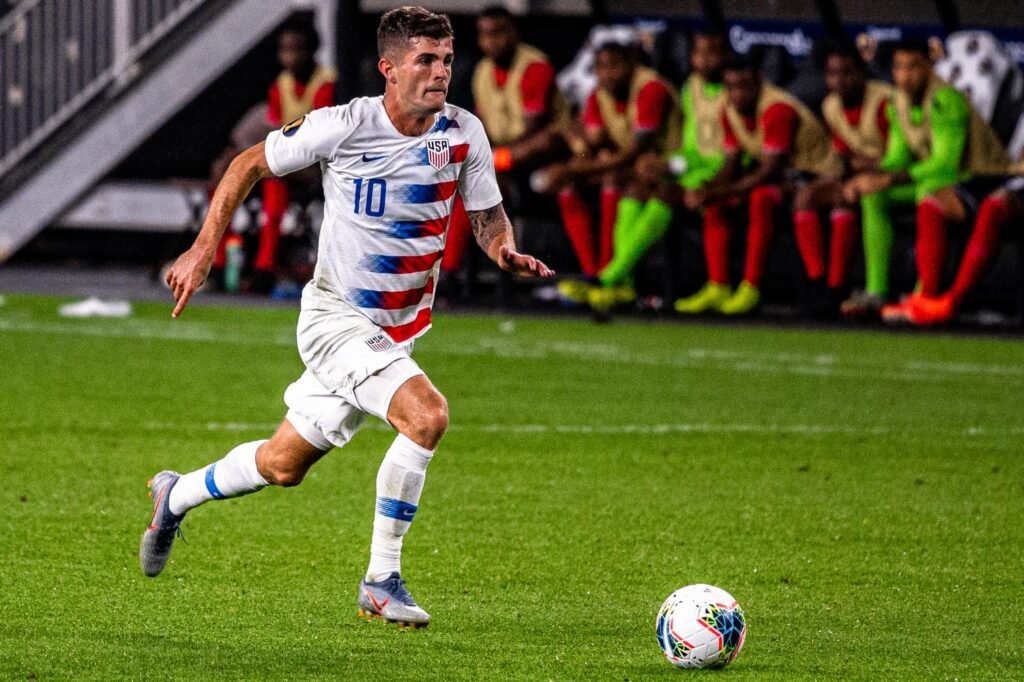
Christian Pulisic enters the 2026/27 season with a familiar blend of promise and questions. After a couple of seasons of adjustments, the American winger is once again at a club that trusts his pace, clever movement, and ability to tilt games in small moments. This Christian Pulisic 2026/27 season preview aims to balance realistic expectations with the spark that makes fans want to keep watching week after week.
Across the league, the tactical landscape continues to reward players who can mix speed with smart decision‑making in the final third. For Pulisic, that means opportunities to influence games without needing to endlessly chase the ball. At his club, there’s optimism about a coherent system that suits his strengths, while the competition for minutes remains a factor. In recent form, he has demonstrated ability to impact matches in bursts, and if he can sustain productivity through the season’s congested patches, he’ll be in the conversation for a healthy spell of consistent contributions.
Key milestones to watch include his starting status in the opening run of fixtures, his adjustment to any new phases of the manager’s plan, and his ability to deliver goals and assists during high‑pressure spells around European competitions and domestic cups. The season preview sits on a foundation of measured optimism: Pulisic is capable of delivering standout individual moments, while the team’s structure will be the main determinant of how often those moments translate into sustained production.
Pulisic form projection
When considering Pulisic form projection, the first question is how the manager plans to deploy him. A front‑foot, high‑tempo approach that spaces him to attack from wide or half‑space positions should amplify his strengths—pace, cut‑backs, and a keen sense of when to arrive late in the box. If he’s used as part of a fluid frontline or as a right‑sided creator in a 4‑2‑3‑1 or 4‑3‑3, his involvement should stay high even in tight matches.
In terms of minutes and tempo, a target range of roughly 2,400 to 2,900 minutes feels reasonable given squad depth and fixture congestion. Expect a mix of starts and important late‑game substitutions during periods of heavy rotation. Fitness trajectory matters too: if he keeps a clean medical bill and avoids lingering niggles, he should be able to sustain a high touch rate in the final third, with quick transitions from defense to attack feeding his decision‑making window.
Decision‑making patterns to watch include his willingness to take shots from distance when angles narrow, his use of runs behind the backline in combination plays with the winger and overlapping fullback, and his ability to recycle possession under pressure. The most reliable outcomes will come when he blends individual skill with smart support play from teammates who understand his timing and preferred lanes of attack.
Overall, the trajectory hinges on rhythm: if he finds a consistent rhythm, he can contribute in both goals and assists, even if his impact isn’t always the loudest headline moment of the match.
Christian Pulisic goals and assists 2026/27
Forecasting Pulisic goals and assists 2026/27 involves balancing ceiling with current form and system fit. A productive season could see him near double‑digit goals and a solid number of assists, with most production concentrated in league play but with meaningful contributions in cups and European competition if the club advances deep.
Projections by competition (illustrative ranges):
- Domestic league: 6–9 goals, 4–7 assists
- Cup competitions (domestic and league cups): 1–3 goals, 2–4 assists
- European competition (if applicable): 1–2 goals, 1–3 assists
Contributing factors include his positioning, fine timing on runs, and the reliability of teammates in the final pass. If he stays high on xG indicators—finishing chances when clean looks arise—and benefits from successful link‑ups with midfield runners, those numbers become more credible. His xG per 90 (roughly 0.22–0.30 in a strong attacking setup) and xA per 90 (around 0.15–0.25) would support a balanced tally of goals and assists rather than a handful of flashy strikes.
Notes on setup: his best return usually comes when he’s allowed to break into space on the right or in a half‑space position where cutbacks and inside passes are viable. The quality of his finishing in one‑on‑one situations and his ability to convert late runs will determine the spread between goals and assists more than anything else.
Pulisic injury update 2026 season
Injury risk is an ever‑present factor for a player with Pulisic’s history of muscle and soft‑tissue issues. The medical staff will prioritise load management, especially during fixture peaks, with a plan designed to minimize days out and preserve his ability to contribute in key matches. While no long‑term layoff is anticipated at this stage, the season could feature short‑term setbacks or niggles that affect selection occasionally.
If a planned rotation system is in place, expect the medical team to monitor fatigue levels closely and to stagger his minutes around travel and congested periods. In practical terms, any absence would likely be counted in days rather than weeks, with a tiered response: light rest days, then targeted rehab, followed by a cautious return to full training and minutes. The best outcome for Pulisic is a steady, uninterrupted run through autumn and into the winter schedule, with strategic rests at the right times to sustain form.
Overall, the injury outlook remains manageable if load is controlled and training work is tailored. The club’s scheduling strategy and medical team’s vigilance will have a direct impact on his match availability and the ability to participate in back‑to‑back games without a drop in performance when he’s on the pitch.
Christian Pulisic 2026/27 stats
From a data perspective, this season should offer a clear view of how Pulisic has evolved within the team’s system. A minutes target in the 2,400–2,900 range sets the stage for meaningful numbers in goals and assists, while ancillary metrics help tell the fuller story of involvement and impact.
- Goals: 6–12
- Assists: 4–9
- Shots per 90: 2.0–2.6
- Key passes per 90: 0.9–1.4
- Dribbles per 90: 1.5–2.5
- Defensive contribution (pressures, interceptions): modest but meaningful in a high‑press system
- xG (season total): 7–11; xA (season total): 4–7
The data picture should reflect his dual role as creator and scorer within a modern front line. While the raw numbers matter, the context—how often he creates high‑quality chances, how effectively he finishes those chances, and how his movement disrupts defensive shapes—will often determine whether the season is remembered for a few moments or for consistent weekly impact.
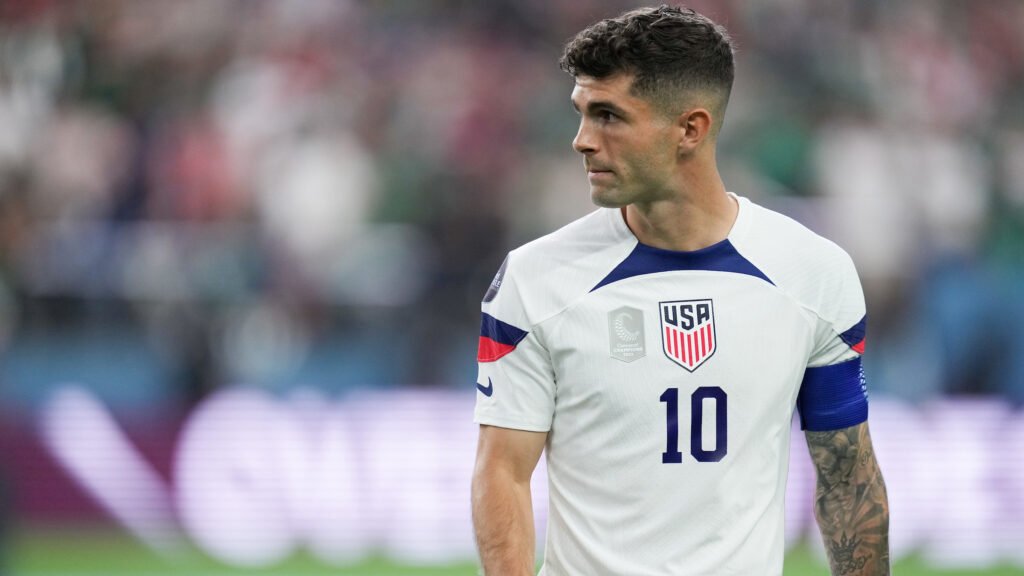
LAS VEGAS, NV – JUNE 15: Christian Pulisic #10 of USA walks out with the USA banner during a CONCACAF Nations League game between Mexico and United States at Allegiant Stadium on June 15, 2023 in Las Vegas, Nevada. Pulisic transfer rumors 2026 season preview
Transfer chatter around Pulisic transfer rumors 2026 tends to wax and wane with performance, contract discussions, and the broader market. This season has seen sporadic speculation about moves that would change his path, but the reliability of rumors varies, and the situation remains fluid. Club strategy, financial considerations, and his own preferences will shape any decision about departure or extension.
Potential destinations in credible chatter typically include clubs seeking dynamic wide forwards who can adapt to different formations and pressing schemes. A move would hinge on a favorable contract situation, the attracting project of the new coach, and the player’s readiness to adapt to a new league or style. Conversely, staying could come with a clear path to minutes, a stable tactical role, and the chance to grow within a familiar system.
Contract status remains a factor in any discussion. If extension talks progress, it could cool transfer links and lock him into a longer‑term project. If negotiations stall or a club shows heightened interest and willingness to meet terms, the rumor mill could intensify. The key for fans is to watch for authentic reporting and for signs that his role within the current club is evolving in a way that supports continued growth.
Christian Pulisic club and role 2026/27
In 2026/27, Pulisic’s club role centers on his ability to be a consistent threat in wide areas and half‑spaces. The manager’s philosophy should leverage his pace to stretch backlines and create space for teammates in central areas. He is likely to be deployed as an attacking winger or inside forward, with responsibilities that mix vertical runs, hold‑up play when needed, and quick combinations with the fullback and midfielder lines.
Competition for places remains a factor. If the squad features other productive wingers or versatile attackers, minutes may come in cycles, emphasizing the importance of making an impact in every appearance. Tactical fit within the squad hinges on how well he can connect with strikers or attacking midfielders, as well as how effectively the team presses and recovers possession in higher lines of engagement.
The evolution of his role could include more sustained involvement in pressing transitions and more deliberate positioning to capitalize on counter‑attack opportunities. The better he reads opponents and adjusts his runs to the team’s rhythm, the more his contributions will translate into visible, game‑changing moments without sacrificing consistency.
Pulisic 2026/27 tactical analysis and style
Analyzing Pulisic tactical analysis and style for the season means looking at the two core facets of his game: progress through space and decision‑making in the final third. His pace, agility, and ability to accelerate into gaps remain his primary weapons, but the real value comes from how quickly he reads patterns and selects the best run to maximize goal or assist potential.
Pressing is a major component of his game, and his willingness to press in high lines helps his team win the ball back in advanced positions. Off the ball, he makes intelligent off‑the‑ball movements that create lanes for teammates and force defenders into uncomfortable choices. On the ball, he combines quick touches with sharp one‑twos and has the capacity to shift the point of attack with crisp crossing or accurate through balls.
Opponents will study his tendencies—where he tends to cut in, how often he lingers at the edge of the box, and which defenders force him to alter his pace. The best counter to that is a cohesive team shape that supports his runs with precise midfield service and late runners who keep the defense guessing. If the system allows him to oscillate between wide and central positions, he can become a destabilizing factor for both defensive lines and midfield setups.
In sum, the season’s tactical arc for Pulisic is about balance: exploiting space with speed, finishing with precision, and contributing to a pressing game that keeps the team on the front foot. When these elements sync, he remains a meaningful creator and scorer within the squad’s broader plans.
-
UEFA Champions League 2026/27 Preview for American Fans: Pulisic, Reyna, McKennie and the US Stars on Europe’s Biggest Stage

Cheers, American fans. If you’ve been hooked by the World Cup, the UEFA Champions League is the next big stage where club stars chase glory week after week. The 2026/27 season promises drama, atmosphere, and plenty of questions about which teams can sustain their form across group play and the knockout rounds. This is your friendly, expert guide to what could unfold, written in a way that feels like you’re chatting with a knowledgeable friend at the tailgate about your favorite clubs and players.
Prediction (speculative preview for 2026/27 UEFA Champions League)
Let’s map the landscape without pretending certainty. The title contenders will likely be those with a proven blend of depth, European experience, and the ability to rotate without losing balance. If you’re thinking in headlines, the front runners are the usual suspects who already know how to survive the long, grindy road of the knockout phase. Expect the typical powerhouses to feel the pressure—and to respond with resilience when it matters most.
Group-stage dynamics could feature a handful of shocks as managers test new players and systems. Think some familiar clubs cruising in comfortable fashion, others navigating a tougher road but showing late-season growth. And when the knockout rounds arrive, expect a mix of high-octane attacking football and tight, tactical chess matches. Home atmosphere, away form, and standout sides stepping up on a bigger stage will all shape the narrative. In short: it should feel both familiar and fresh, with a few surprise results stirring talk from September through May.
- Predicted title race dynamics: a balance between clinical top-tier teams and those who master European nights with tactical tweaks and key squad depth.
- Knockout-stage trends: two-legged ties still offering drama, with certain teams exploiting rotations to peak in decisive legs.
- Group-stage shocks: a few groups where under-the-radar sides push toward the knockout rounds, setting up interesting matchups in February.
For the World Cup-connected fan, the format will feel familiar in its urgency: 32 teams, six group games per club, with the top two advancing to a knockout bracket that culminates in a final at a neutral venue. The rhythm of wins, draws, and late goals is the same, just at a higher tempo and with more at stake than domestic league play. As you watch, remember: every group game is a doorway to the next round, and every knockout tie is a mini‑final in itself.
Favorites
Who should you keep an eye on as the season unfolds? The obvious candidates are the clubs that win more often than not when the lights are brighter. Real Madrid, Manchester City, Bayern Munich, Barcelona, and Paris Saint‑Germain sit at the top of the stack this season, with Real Madrid and Manchester City often forming the ceiling for expectations. Add Bayern’s relentless standards, Barca’s poise after a rebuilding phase, and PSG’s star power, and you’ve got a quartet capable of shaping the knockout stage narrative. Chelsea and Liverpool are also consistently in the mix, depending on how their squads evolve and stay healthy.
- Real Madrid — the template for consistency in Europe: depth, a proven system, and a knack for turning big nights into tangible results. Their experience in high-pressure fixtures tends to translate well into the later rounds.
- Manchester City — a blend of relentless pressing, patient possession, and a forward line capable of breaking defenses in multiple ways. Injuries or fatigue can challenge them, but their top-tier mentality is a differentiator.
- Bayern Munich — depth in midfield and a history of raising performance on the continent. They’ll rely on strong transitions and their ability to punch through compact defenses with quick buildups.
- Barcelona — a revival narrative with a youthful, dynamic attack and more balance than in recent campaigns. If their midfield and defense hold up, they’re dangerous in knockout ties.
- PSG — individual brilliance plus enough cohesion to threaten in Europe’s most important rounds. Their ceiling is high, but consistency will be the key question.
- Chelsea and Liverpool
- —as consistent European contenders, their campaigns hinge on how well they integrate new signings, maintain squad balance, and manage the fixture load.
In the context of the “UEFA Champions League 2026/27 preview for American fans,” these clubs represent the best infantry for a long campaign. The real joy comes from watching how they adapt to group stage pressure, then translate that form into knockout intensity.
Underdogs
Every season has a few clubs that defy expectations for a match or two, and sometimes longer. The 2026/27 field should feature a handful of teams capable of springing credible shocks in groups or knockout rounds—teams that can punch above their weight with clever tactics, disciplined defense, or a moment of individual brilliance.
- Sevilla — European nights are in their DNA. If their veterans stay sharp and their counter-press holds up, they can threaten in tight group fixtures and make a run in the knockout stage’s tougher ties.
- RB Salzburg — known for high-press, high-intensity football that can unsettle bigger sides in a one-off game or two-legged ties, especially in the group stage where energy matters.
- Ajax — a club with a strong academy and experience in Europa’s top field. They can outplay teams with organization and a willingness to take risks in the right moments.
- Rangers — home advantage and a disciplined, direct approach can produce surprising results, especially in a group that tests their cohesion and resilience.
- Porto and Villarreal — traditional European threats, capable of leveraging experienced backlines and fast transitions to complicate big opponents in knockout legs.
- Shakhtar Donetsk — footballing resilience and a knack for exploiting spaces behind aggressive presses can surprise in a difficult group and in late rounds.
What could unlock their runs? A smart rotation plan, a standout night from a veteran defender or goalkeeper, or a forward line that clicks in big moments. They won’t always win the group, but they can make a knockout round feel unpredictable in a good way for American fans following along with the season.
American players to watch in Champions League 2026/27
American talent continues to populate Europe’s biggest stage, and 2026/27 could be a banner year for several players who are already on the rise or poised to break out. Here’s a snapshot of who to watch and what roles they could play for their clubs:
- Christian Pulisic — a proven game-changer when fit, Pulisic’s pace and ability to threaten from wide or inverted positions give him a flexible role. He could feature as a primary winger or as a dynamic inside forward for a top European club, providing goals and assists in key group fixtures and late knockout legs. Pulisic in Champions League 2026/27 potential clubs could include moves within the Premier League or La Liga, depending on where he lands in the transfer window.
- Gio Reyna — Reina’s creative spark and vision make him a prime candidate to pull strings in the middle of the park. Expect him to drive progression, unlock compact defenses, and contribute crucial assists in pivotal ties. Gio Reyna and McKennie 2026/27 Champions League prospects lean toward a club where he can play key minutes and influence games with his passing range.
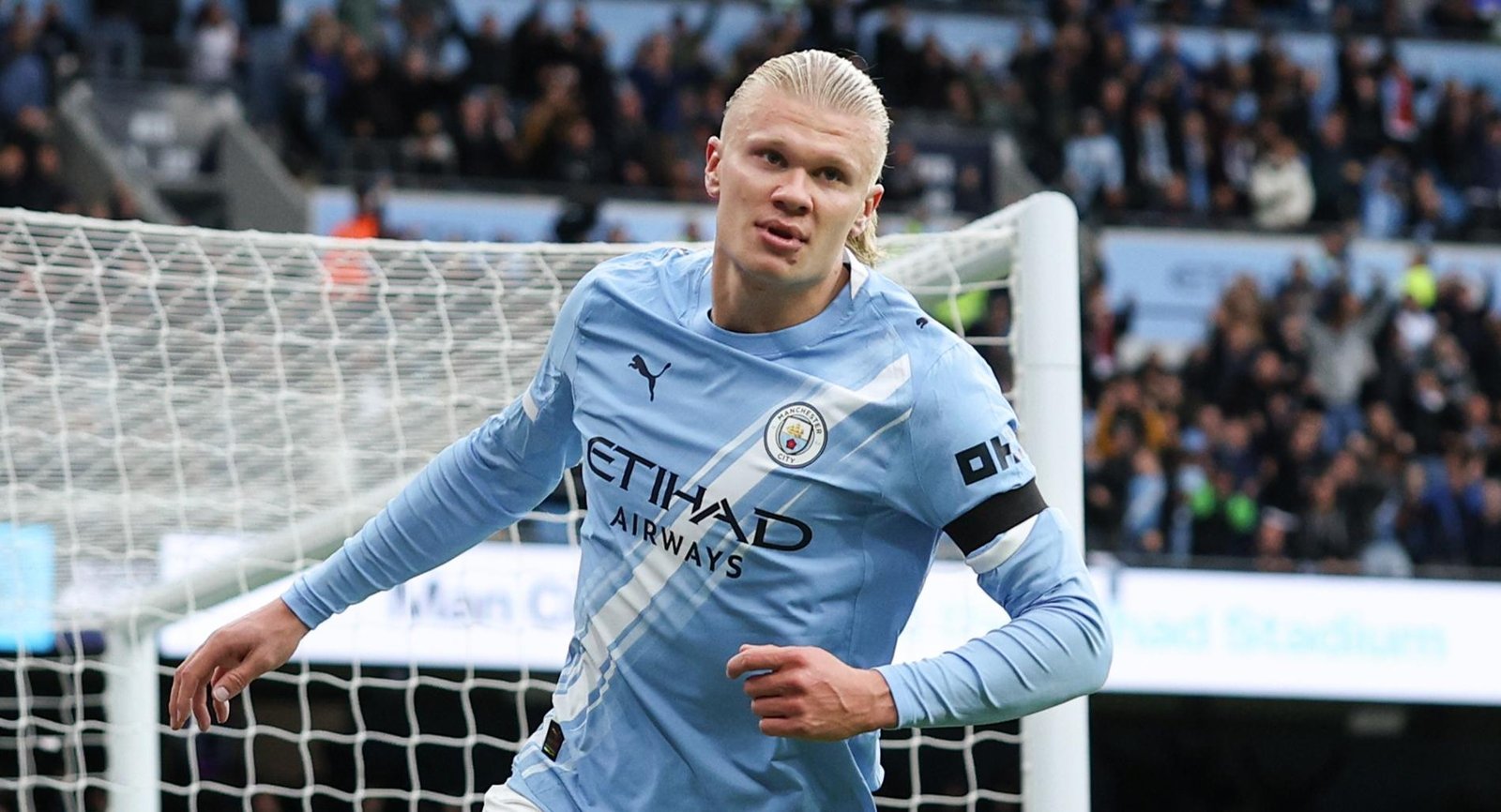
https://soccertoday.us/erling-haaland-for-american-fans-profile-playing-style-manchester-city-and-the-2026-season/ - Weston McKennie — a box-to-box presence who can screen the defense, advance into dangerous zones, and help control tempo in midfield. He could anchor a midfield unit for a top-tier club, especially in big knockout fixtures.
- Brenden Aaronson — a fearless processor with pressure-resistant ball handling; his energy and willingness to press could make him a reliable outlet in attacking transitions and a high-pressing setup.
- Tyler Adams — a defensive midfielder with leadership and work rate. If deployed as the anchor of a midfield spine, he can stabilize games and help teams survive tough European ropes in the knockout rounds.
- Yunus Musah — versatile in the middle, able to cover multiple roles from pivot to higher lines. His speed and tactical awareness could make him a starter for a club that emphasizes dynamic buildup and quick transitions.
MLS players entering Champions League 2026/27 watchlist — expect a few MLS stars to be involved in UCL campaigns through loans or permanent moves. Their presence often brings a blend of physical intensity and a direct style that can fit well with European systems, especially in teams dialed into high-pressing play.
Top narrative threads
Beyond Xs and Os, what will drive the season’s storytelling? Here are the threads that could shape the overall arc and give American fans a lot to discuss:
- Star power vs. tactical evolution — the balance between individual brilliance and team-level systems will define how teams win in Europe’s late rounds.
- Injuries and squad depth — a persistent challenge in a long season; teams with flexible rosters and high-quality third options will have the edge late in the knockout rounds.
- Transfers and signings — a handful of smart acquisitions could instantly reshape a club’s ceiling, especially as teams adapt to new managers and tactical ideas.
- American players’ impact — watching Pulisic, Reyna, McKennie, Aaronson, Adams, and Musah in big European nights will add a familiar touch for US fans, and their success could influence how American fans view the competition.
- Atmosphere and stadiums — the sense of occasion on European nights matters as much as the ball on the turf. The energy, the chants, and the travel add to the narrative as much as the result on the field.
For fans new to the format, think World Cup nights but with club loyalties driving the drama. You’ll see a mix of high-intensity pressing, clever build-up play from back to front, and the occasional goalkeeper masterclass that changes a tie in a heartbeat.
Format at a glance (for new fans)
To keep you grounded as the season unfolds, here’s a quick, friendly refresher on how the competition works:
- 32 clubs start in the group stage, divided into eight groups of four.
- Each club plays six group stage matches (home and away against the other three teams).
- The top two in each group advance to the knockout rounds.
- Knockout rounds are two-legged ties (home and away) up to the final, which is a single match at a neutral venue.
- Past form, injuries, and tactical tweaks can swing margins in the knockout rounds, making every tie feel like a mini-final.

As you follow along, you’ll notice the same thrill you felt during the World Cup when teams rise to the occasion in a one-off match, but with the added narrative of a season-long campaign spanning Europe’s elite clubs.
And that’s the flavor of the 2026/27 UEFA Champions League. Real Madrid, Manchester City, Bayern, Barcelona, and PSG are the big names you’ll hear most about, but there’s ample room for underdog stories, breakout American players, and dramatic late turns in the standings. The beauty of the competition is how it blends star power with collective resilience, and how a single game can redefine a club’s entire season.
So, keep your eyes on the ball, stay curious about the tactical ideas, and enjoy every twist and turn. The journey is as much about the journey as it is about the trophy itself—an ideal bridge from World Cup nights to club glory.
Closing takeaway: the 2026/27 season is set to deliver the kind of nights that spark conversations long after the final whistle. For American fans, the Didier-style swagger of a Real Madrid night, the relentless pace of Manchester City, or the resilient grit of a Rangers or Porto test will feel like a familiar, thrilling extension of the World Cup – with more clubs chasing glory on Europe’s biggest stage. Have fun at the upcoming season Soccer fan’s
-
post-World Cup soccer analysis USA | how to watch soccer in the USA | soccer for beginners in America | MLS vs Premier League explained | best American soccer teams to follow | understanding soccer rules for new fans | World Cup highlights and lessons | soccer glossary for beginners | soccer culture in the USA

The glory world cup Introduction
Welcome, new soccer fans! The World Cup may be over, but the energy stays. If you fell for the sport this year and you’re trying to figure out how the rest of the season fits, you’re in the right place. This guide keeps things simple, friendly, and easy to follow—for Americans who are just getting into club soccer, the leagues, and all the little moments that make this sport so exciting. Think of this as your first playbook for the weeks ahead, with a clear view of how to watch, who to follow, and what every term means without the jargon overload.
Post-World Cup landscape
Right after the World Cup, clubs reset, rosters shift, and fans start to think about goals, rivalries, and the next breakout star. In the United States, you’ll see a blend of national-team pride and the steady rhythm of league play. post-World Cup soccer analysis USA tends to focus on how American players performed abroad, which MLS teams are building momentum, and how the national team plans to approach the next major competition. For a brand-new fan, this is a great moment to spot players you’ll follow and clubs that feel like a good fit for your weekends.
Teams also use the quieter stretch after the tournament to test youngsters, try new ideas, and test the depth of their squads. If you loved the drama of the finals, you’ll find that same energy in the league games as they kickoff a calendar filled with weekends, midweeks, and the occasional special event. Mapping your viewing around a couple anchor matchdays is a smart way to stay engaged without feeling overwhelmed.
How to watch soccer in the USA
When you’re new, the big question is where to watch, and when. The short answer: there are several options, and a simple routine will keep you in the loop no matter where you are.
- how to watch soccer in the USA is evolving with broadcasts and streaming apps. Look for matches on major networks like ESPN, Fox, or regional channels depending on the competition. Many games are now available through official apps or network sites, so having a smart device and an active account is key.
- MLS games often appear on national broadcasters and the league’s own streaming service. If you’re just starting out, try a free trial or a weekend pass to learn the rhythm of MLS and the atmosphere in the stadiums.
- European leagues like the Premier League and La Liga still draw attention here. You’ll frequently find games on ESPN+, NBC Sports, or other partners. Pick a few clubs you enjoy and follow their schedules so you don’t miss big moments.
To build a routine, choose a couple of anchor teams—one MLS club and one European club—to watch closely. Also check highlight shows and quick recaps to catch goals, assists, and tactical moments you might miss in real time. The point is to make watching feel natural, not overwhelming.
Soccer for beginners in America
Starting with the basics is the smartest move. The sport is simple at its core: two teams, a ball, goals at each end, and a 90-minute clock with stoppage time. A few ideas to keep you moving in the right direction:
- Understand the objective: score more goals than the opponent within 90 minutes (plus stoppage time).
- Know the roles: forwards try to score, midfielders create chances, defenders stop goals, and the goalkeeper guards the net.
- Learn basic terms: offside, foul, yellow card, red card, corner kick, free kick, and penalty kick.
- Watch for rhythm: teams press, counter-attack, and shift from defense to attack in seconds. The best moments often come from fast transitions.
As you watch more, you’ll hear a “soundtrack” of the game—the referee’s whistle, the crowd’s roar, and the way players communicate with passes and runs. The real magic is in the little, deliberate choices that add up to a winning moment on the scoreboard.
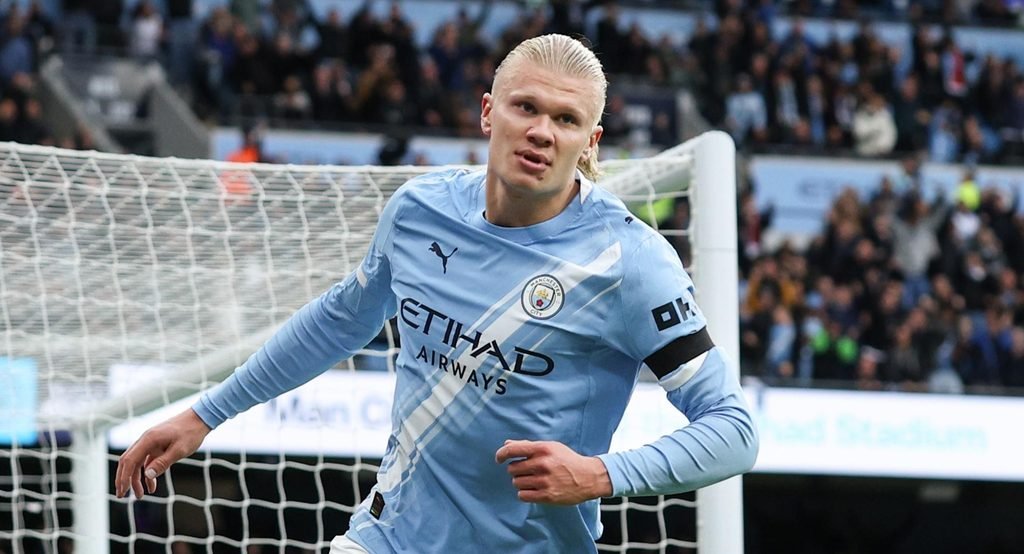
Halland, one of the best in the game https://soccertoday.us/erling-haaland-for-american-fans-profile-playing-style-manchester-city-and-the-2026-season/ MLS vs Premier League explained
Two big windows to learn are MLS and the Premier League. They’re different in pace, travel, and culture, but both have value for a new fan.
- The MLS vs Premier League explained idea: MLS is the top domestic league in the United States, blending American homegrown talent with international players. It tends to be more calendar-friendly for American fans, with a format that highlights the stadium experience and community.
- The Premier League showcases some of the world’s most famous clubs, with a fast, relentless style and a deep, storied history. Games are widely broadcast, and the level of competition is consistently high. This league is a great place to learn about tactics, top-tier talent, and the broader world of soccer.
- For a newcomer, a practical plan is to watch a few MLS games to get comfortable with pace and spacing, then sample Premier League matches to see how teams shape 90 minutes. It’s normal to have a local MLS club you support and also root for a European club for variety.
Best American soccer teams to follow
You don’t need to chase dozens of clubs right away. Start with a short list that matches your city, your community, or your favorite players. Here are solid options that open doors to different styles and stories.
- MLS squads from major markets and teams known for strong youth academies often provide a clear sense of identity and a path for growth. Look for clubs that consistently contend for the playoffs and nurture homegrown talent.
- Prefer clubs with community programs and an active supporters’ culture. These teams tend to offer a welcoming entry point for new fans and plenty of storylines to follow.
- Don’t forget about European clubs you’re drawn to. Following a European team gives you a perspective on how the sport connects globally and adds bite-sized drama with midweek matches.
Choosing a team is less about chasing the most famous name and more about the vibe—how a club plays, its values, and the people you meet around it. Pick a couple and let your fandom grow naturally as the season unfolds.
Understanding soccer rules for new fans
Getting the basics right makes the game more enjoyable. Here are the core rules you’ll hear about in most matches, explained in plain terms:
- Offside: a player is offside if they’re nearer to the opponent’s goal than both the ball and the second-last defender when the ball is played to them. It’s a judgment call, so don’t sweat missing the exact moment—understanding the concept helps you see why a goal is ruled out or a play is stopped.
- Fouls and cards: a foul is a rule violation that can lead to a free kick or a penalty. Referees show yellow or red cards for serious offenses or repeated fouling, which can swing a game’s momentum.
- Substitutions and stoppage time: teams can bring on fresh players, and the clock often adds extra minutes at the end. Big moments can happen in those final minutes because of rest and strategy.
- Penalties and set pieces: corners, free kicks, and penalties create chances that rely on technique and teamwork as much as power. A well-executed set piece can decide a tight game.
As you watch more games, you’ll notice the patterns that lead to goals—patient buildup, sharp counters, and the way teams press or drop back to defend. The more you watch, the easier it becomes to read the game.
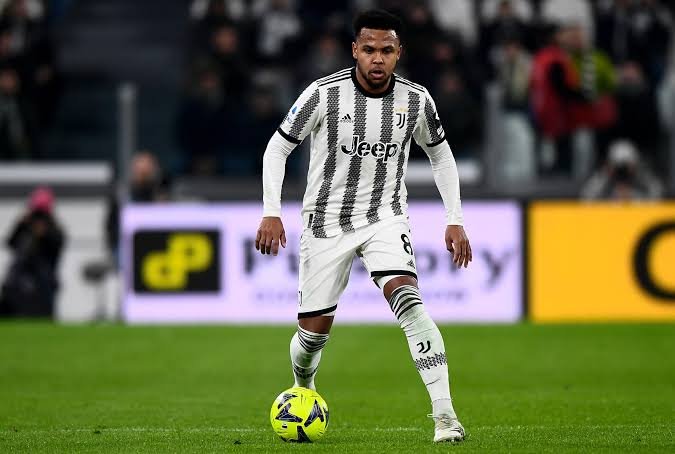
World Cup highlights and lessons
The World Cup is a gold mine for learning about at-MLS quality and big-tournament pressure. Here are a few lessons you can carry into regular-season viewing:
- World Cup highlights show how top teams balance aggression and defense. The best squads move the ball quickly, switch focus when the moment demands it, and don’t rely on one player to carry the game.
- Depth matters. Injuries and fatigue reveal why squads rely on reliable bench players who can step in and maintain performance.
- Patience under pressure pays off. Late goals, dramatic finishes, and momentum shifts demonstrate the importance of staying composed when the clock is winding down.
For a new fan, these lessons translate into watching how teams manage a game in the final minutes and how coaches deploy fresh legs to keep the intensity high.
Soccer glossary for beginners
Learning a few key terms helps you feel comfortable fast. Here are essential words you’ll hear often, with simple explanations:
- Goalkeeper, Defender, Midfielder, Forward
- Offside, Foul, Free Kick, Corner Kick, Penalty
- Yellow Card, Red Card, Substitution, Assist
- Stoppage Time, Clean Sheet, Build-Up Play, Gegenpressing
You’ll pick up new terms as you watch more games. Don’t stress memorizing every word at once—focus on the ones that help you understand the flow of play.
Soccer culture in the USA
Soccer culture in the USA blends big-league energy with a growing grassroots movement. You’ll see families at season-openers, tasty tailgates outside stadiums, and a growing number of supporters’ groups that bring chants, flags, and a sense of community to games. The sport’s culture here is still evolving, but momentum is clear: more Americans are attending games, joining clubs, and turning players into role models in schools and local communities.
As a new fan, you don’t have to choose between tradition and modern fandom. Enjoy the stadium atmosphere, follow players on social media, and join casual debates about tactics and coaches. The joy of the game is that anyone can jump in, learn the rules quickly, and feel welcome in the conversation.

Putting it all together: your week-by-week plan
- Pick your anchor teams: one MLS club and one European club to follow closely.
- Set a viewing window: designate 2–3 match days each week for full games or condensed highlights.
- Use a glossary: keep a small list of terms handy and refer to it during games.
- Join a community: follow fan forums, local clubs, or social media groups to swap highlights and ask questions.
- Revisit World Cup lessons: apply tactical insights you notice to how your teams play and plan.
Final note
This post-World Cup moment is a turning point for many American fans. By following a simple plan, you’ll gain confidence, find teams you love, and enjoy a sport that blends strategy, athleticism, and community. Welcome to the world of soccer beyond the World Cup—where every weekend is a chance to learn, cheer, and grow as a fan.
-
World Cup Fans: Soccer Basics for Beginners in the USA
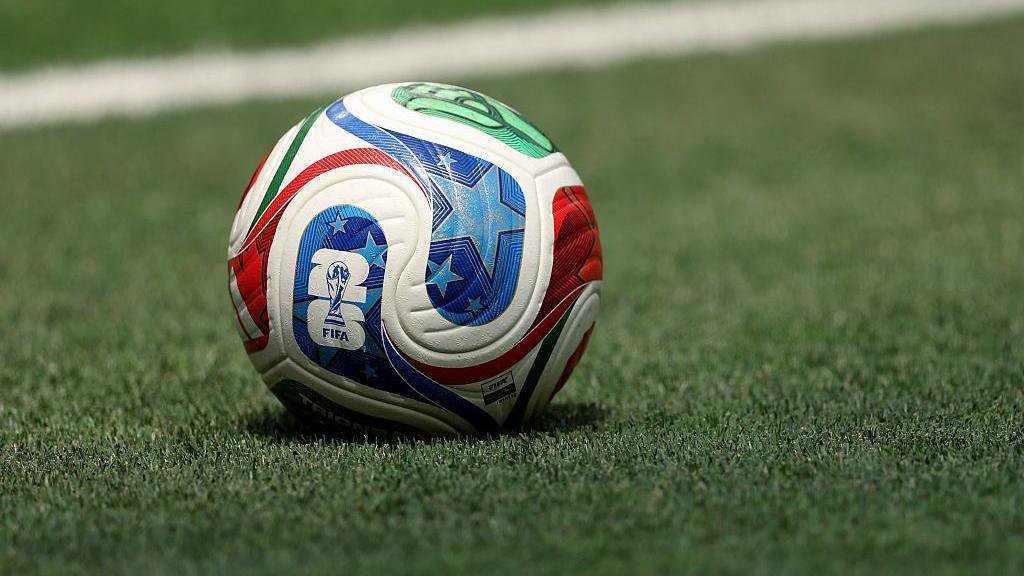
The world cup ball Welcome, new soccer fans! After the World Cup buzz, the game is bigger in the United States than ever. If you’re just getting into it, you’re in the right spot. This guide is built for people who know the World Cup and want to keep enjoying soccer with clarity, energy, and practical tips. Let’s break it down simply and talk like real fans.
What is soccer?
Soccer is a team sport played on a rectangular field. Two teams try to score by getting the ball into the other team’s goal. Players use any part of their bodies except their hands and arms to touch the ball—except the goalkeeper, who can handle the ball inside a designated area. In the United States we often say “soccer,” while many other countries call it “football.” This article uses both terms so you’ll recognize references anywhere.How a typical match works
– A standard match has two halves, usually 45 minutes each, with stoppage time added by the referee.
– Each team fields 11 players at a time, including one goalkeeper.
– The team with more goals wins. If it’s tied, many leagues end in a draw; knockout competitions may go to extra time or penalties.Key rules every beginner should know
1) Offside: An attacker can’t be ahead of the last defender when the ball is passed, unless they’re behind the ball. This keeps players from camping near the goal.
2) Throw-ins: If the ball goes out on the sideline, the team that didn’t touch it last gets a throw-in, with both feet on the ground and the ball thrown over the head.
3) Corner kicks and goal kicks: If the ball crosses the goal line and was last touched by defense, the offense takes a corner kick. If last touched by offense, the defense takes a goal kick.
4) Fouls and free kicks: Tripping, pushing, or dangerous plays can lead to a free kick or a penalty kick, depending on where the foul happened.
5) Penalties: Serious fouls inside the penalty box result in a penalty kick taken from the spot, with only the goalkeeper defending.
6) Substitutions: Teams can replace players during stoppages, but not too many at once. Fresh legs can change the game.
7) Cards: Referees can issue yellow cards for warnings and red cards for ejections, which change who can play the rest of the game.Positions and what they do
– Goalkeeper: The last line of defense; can use hands inside the penalty area.
– Defenders: Stop attackers and help protect the goal.
– Midfielders: Link defense and attack; they control the pace and build plays.
– Forwards: Primary attackers who try to score and create chances.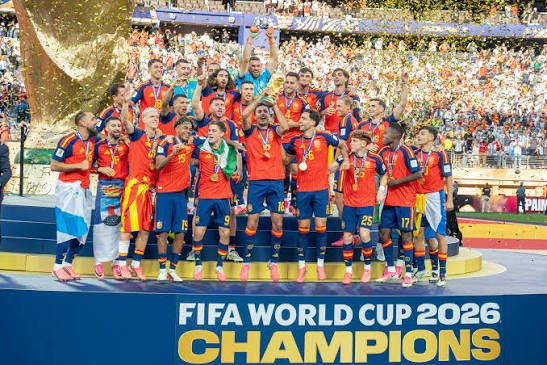
Spain lifting the trophy How to watch and follow soccer in the United States
In the U.S., you’ll see regular matches from MLS (the top men’s league) and the NWSL (the women’s league). There are also international competitions, European leagues, and tournament specials that air on TV and stream online. Quick tips to stay in the loop:
– Check local TV listings and streaming services that carry MLS, NWSL, and major international leagues.
– Use official team apps or league apps for schedules, lineups, and news.
– Watch highlight reels and previews to learn the key players and rivalries.
– Pick one or two local teams to follow to keep things manageable.Getting started: gear, basics, and safety
Starting with the right gear makes practice more enjoyable and safer. Here’s a simple checklist:
– Ball size: Adults starting out should use a size 5 ball. Younger players might use sizes 3 or 4.
– Shoes: Wear cleats suited for your field (grass or artificial turf). On turf, turf shoes can help with grip.
– Shin guards and socks: Wear shin guards covered by long socks to protect your shins.
– Clothing: Choose comfortable athletic wear that lets you move freely.Where to learn more and practice
Online resources, local clubs, and community programs make it easy to grow. Look for beginner guides, glossaries, and video tutorials from credible soccer organizations. Local recreational leagues and youth academies often welcome new players and provide beginner-friendly training. Soccer apps can help you track schedules, scores, and your progress.Culture and mindset for new American fans
Be curious about different playing styles and leagues. Soccer is a global community with diverse approaches to the game. You’ll meet fans with different traditions—enjoy that variety. Respect players, officials, and fans, especially when watching live matches, and most importantly, have fun as you learn.Bottom line
The World Cup is a gateway for many new fans in the United States. With a basic grasp of the rules, positions, and how to watch or join local soccer, you can enjoy the game beyond the tournament. Start with simple skills, get involved with local clubs or pickup games, and deepen your knowledge by following leagues, players, and matches you love.Where to practice and learn locally
If you’d like, you can tailor this guide to your city or region with team options, local leagues, pickup spots, and community resources. Many programs welcome beginners and provide beginner-friendly training to help you progress at your own pace.SEO keywords to guide your search
– Soccer basics for beginners in the USA
– How to watch soccer in America
– Soccer rules explained for new fans
– MLS vs international soccer explained
– World Cup fans learning soccer fundamentals
– Soccer drills for beginners at home
– Youth soccer programs in the US
– Best soccer gear for beginners
– Soccer glossary for new fans
– How to follow American soccer leaguesIf you want, I can tailor this into a city-specific version with local clubs, clinics, and game-day tips for your area. Either way, dive in, have fun, and enjoy watching and playing the beautiful game.
-
US Soccer Essentials: MLS for Beginners, USMNT World Cup Journey, How to Watch US Soccer, World Cup 2026 USA Schedule, Soccer Basics for American Fans, History of Soccer in the United States, and USA Women’s National Team World Cup Spotlight
The USA Soccer netional team flag Hey there, welcome to the world of soccer in the United States. If you’ve fallen in love with the game and mainly know the World Cup, you’re in the right place. This guide talks to you straight—easy to read, real-world examples, and something you can actually use week in and week out. Let’s dive in.
US Soccer News
If you’re trying to stay in the loop without getting lost in the jargon, here’s what to keep an eye on:– New player pools and call-ups from the USMNT and USWNT. A quick way to spot the next breakout star.
– Changes in youth development, academies, and youth national teams. These moves shape who makes the jump to the big teams.
– MLS and lower divisions: transfers, designations, and big moves that could change the vibes around clubs.
– Important matches and friendlies that show how teams are building toward big tournaments.Where to get reliable, fan-friendly coverage? Start with official US Soccer sources, plus big sports networks and team pages. The key for a new fan is watching how players move the ball, how coaches set up lineups, and how teams respond in clutch moments. A little news today can set you up for a big win tomorrow.
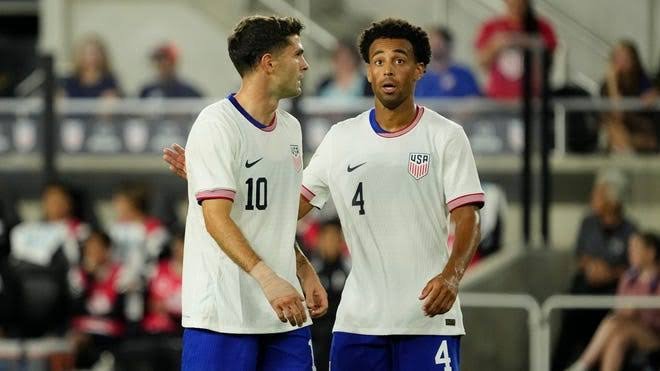
Watch for players who can break through in big games and pay attention to how the team sets up tactically—defensive compactness vs. pushing numbers forward. The World Cup is the best stage to see the national team in high-stakes, global moments and a great way to learn the sport at the highest level.
How to Watch US Soccer
Watching these games should be enjoyable, not confusing. Here’s a simple map:– TV: Big matches often air on Fox or Telemundo in the U.S. Women’s games tend to show up in a broader broadcast lineup too.
– Streaming: Services like YouTube TV, FuboTV, and other sports platforms carry many games. MLS sometimes has its own streaming options as well.
– On-demand and highlights: Missed a match? Official team pages and league channels post quick highlights and recaps.
– Getting started: Pick one game a week (or a big national team matchup) and follow the pre-game hype, lineup, and post-game analysis to learn the lingo—formations, substitutions, pressing, and counter-attacks.Pro tip: watch with friends or family. It’s a lot easier to learn when you can ask questions live and hear explanations in real time.
MLS Explained for Beginners
MLS is the pro league in the U.S. and Canada, and it’s pretty beginner-friendly. Here’s the easy breakdown:– Teams: A bunch of clubs across the U.S. and Canada, playing a spring-to-fall schedule at home stadiums, with playoffs to crown the champion (MLS Cup).
– Season structure: Regular season decides who makes the playoffs; postseason decides the champion.
– Roster rules: There’s a salary cap and Designated Player slots that let teams sign big-name stars who can boost both performance and audience.
– Youth path: Lots of MLS teams run academies, giving talented kids a path to pro soccer right here at home.
– How to watch: National packages, local broadcasts, and streaming options make it simple to catch games.MLS is full of energy and a blend of homegrown talent with international stars. It’s a great place to start watching regularly, learn about formations, and see clubs grow over a season.

Soccer Basics for American Fans
If you’re getting started, here are the core ideas in plain terms:– Objective: Score more goals than your opponent in 90 minutes (plus stoppage time).
– Structure: Two halves, 45 minutes each, with a halftime break.
– Positions: Goalkeeper, defenders, midfielders, and forwards—each with a job to do.
– Rules to know: Offside (a player can’t be ahead of the last defender when a pass is played), fouls (free kicks), corners, penalties, and substitutions.
– Common tactics: Formations like 4-3-3 or 4-2-3-1 balance defense and attack. Teams press high or sit back depending on the game plan.
– What to watch: Notice off-ball movement, pressing after losing the ball, and how teams transition from defense to attack.Don’t stress memorizing every rule at once. Pick a few players you like, watch their positions, and learn the terms as you see them in games and highlights.
History of Soccer in the United States
Here’s the short arc you’ll want as a new fan:– Early days: Soccer came with immigrants and clubs in the late 1800s and early 1900s but stayed in the background compared to baseball and football for a long time.
– Federation and World Cup era: The US Soccer Federation helped organize the sport, and the national team started showing up more in World Cup events.
– MLS era: MLS (founded in 1996) gave the country a stable pro platform, boosting youth development and giving players a clearer path to pro soccer.
– Growth and youth development: In the past two decades, more schools, clubs, and academies have raised the level of play and interest.Today, soccer is a big part of American sports culture. National teams, MLS, and a growing grassroots scene mean more kids growing up loving the game and dreaming big. It’s all fueling bigger crowds, stronger broadcasts, and more chances for fans like you to enjoy the sport.

LYON, FRANCE – JULY 07: USA players celebrate as they lift the trophy during the 2019 FIFA Women’s World Cup France Final match between The United States of America and The Netherlands at Stade de Lyon on July 7, 2019 in Lyon, France. (Photo by Marc Atkins/Getty Images) USA Women’s National Team and the World Cup
The USWNT has been a global powerhouse for decades. Here’s the essence you should know:– World Cup champions: The USWNT has won the World Cup (1991, 1999, 2015, 2019). Those wins boosted the sport and youth participation across the country.
– Global influence: The team pushed for better pay and professional opportunities and helped drive conversations about equality in sports.
– Current stars and legacy: The program keeps producing standout players and legends who inspire the next generation.
– What to watch: Women’s World Cup matches are fast, technical, and team-driven—great for picking up pace, technique, and teamwork early on.As a new fan, you’ll notice how the USWNT’s discipline, teamwork, and fearless attacking style has helped shape women’s soccer worldwide and left a lasting impact on American sports culture.
In short, American soccer is bigger and more welcoming than ever. You don’t need to be an expert to enjoy a game, learn a few terms, or follow a couple of teams closely. Whether you’re watching a World Cup showdown, an MLS regular-season match, or a friendly between rivals, you’re part of a growing community that loves fast action, smart tactics, and the thrill of a late winner. Welcome to the ride—and may your next kick be a great one.
-
Woman vs Man USA netional team: A Beginner’s Guide to World Cup Glory, Trophies, and Longevity
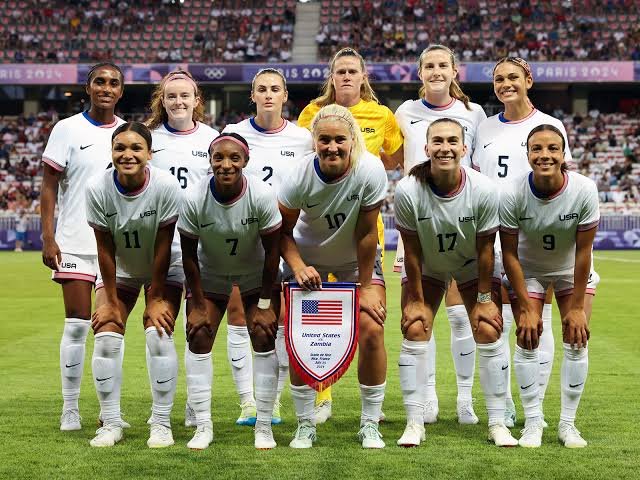
So you’re wondering which is better: the USA men’s national team or the USA women’s national team? If your main frame of reference is the World Cup, this little guide breaks down the big picture in plain talk. By the end, you’ll see more than just a scoreline—you’ll understand how history, trophies, and steady performance shape which program tends to lead the way.
Two programs, two stories: what the question really asks
When fans ask who’s “better,” they’re weighing trophies, consistency, global reach, and growth over time. USWNT and USMNT come from the same country and share the same soccer culture, but they’ve built very different resumes. The women’s side has a trophy-rich, long run of success; the men’s side has big moments but fewer titles in the modern era. Understanding these angles helps a beginner see the distinction without getting lost in the numbers.Major trophies and what they show
Here’s a straightforward look at the main achievements that matter to most fans:– World Cup titles
– USwoman: four FIFA Women’s World Cups (1991, 1999, 2015, 2019)
– USman: have never won the FIFA World Cup; their best finish in the modern era is reaching the quarterfinals (2002)
– Olympic golds
– USwoman: multiple gold medals, a sign of supremacy on the biggest quadrennial stage
– USman: fewer Olympic golds, and not on the same, sustained pace as the women in this arena
– Continental and regional strength
– USwoman: consistently dominant in World Cup qualifying and regional play
– USman: strong knockout runs and moments, but the trophy pace isn’t as steady as the women’s side
– Legacy and consistency
– USwoman: decades of staying near the top of the world game
– USman: big moments plus ups and downs, with less trophy stability overall
LYON, FRANCE – JULY 07: Megan Rapinoe and USA players celebrate as they lift the trophy during the 2019 FIFA Women’s World Cup France Final match between The United States of America and The Netherlands at Stade de Lyon on July 7, 2019 in Lyon, France. (Photo by Marc Atkins/Getty Images) Depth, pipeline, and how teams stay in the mix
Beyond the trophy cabinet, a big part of “who is better” is how deep the program is and how well it develops players. Here’s the quick view for beginners:– Player pool
– USwoman: a large, skilled pool of players who regularly compete at Europe’s top clubs and in the NWSL
– USman: a broad pool as well, with many players in MLS and Europe, but depth and consistency look different across cycles
– Professional pathways
– USwoman players have strong professional options and broad visibility, fueling a steady talent pipeline
– USman players rely on MLS and European leagues; the global club landscape has grown, but the trophy rhythm has differed
– Investment and support
– USwoman has enjoyed strong support, high-profile broadcasts, and sponsorships tied to major events
– USman has grown with MLS development and global interest, but the trophy pace over recent decades has been tougher to sustainStyle of play and path to impact for a new fan
For a newer soccer fan, it helps to think about how each team tends to win games and tell the sport’s story in the U.S.– USwoman style
– A blend of technical skill, pace, and smart tactical choices
– Often plays with high tempo, creative attacks, and strong set pieces
– This mix helps them translate talent into results on the world stage year after year
– USman style
– A mix of physicality, quick transitions, and strategic buildup
– Has leaned on physicality and quick counters that can swing a game
– Consistency across a World Cup cycle has been tougher at times, but the moments are memorableWhat this means for a new fan: how to watch and what to expect
If you’re just learning the ropes, here are practical tips to get the most out of following both teams:– Watch the World Cup and the Olympics for the biggest stage moments, then follow qualifying matches and friendlies to see how they develop between big events
– Track the rosters and the clubs players represent. The most exciting players often come from top European clubs, and their success there translates back to the national team
– Pay attention to coaching changes and tactical shifts. A new manager can bring a different style, which can change how exciting or tense a match feelsThe real comparison: what “better” means in context
For a beginner, the simplest takeaway is this: the USWNT has built a more consistent, trophy-rich record over a longer period, which often translates into a stronger overall claim in international soccer. The USMNT has had brilliant moments and moments of disappointment, but those high points sit beside years of tougher results. When people say the women’s program is “stronger,” they’re pointing to a bigger, more constant collection of titles and a longer run of high-level performance.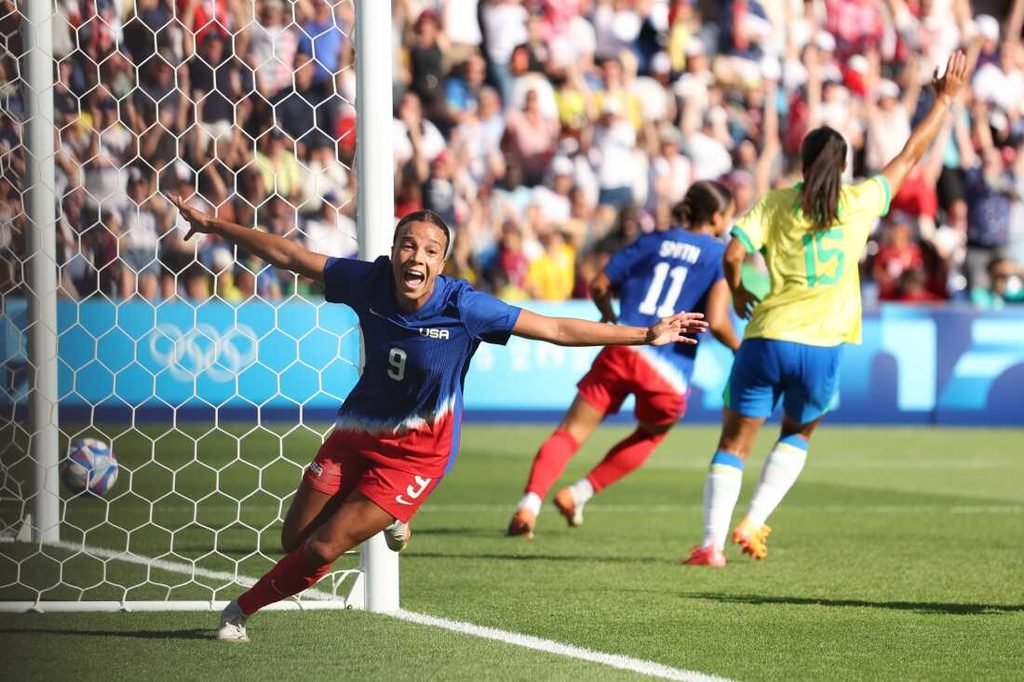
PARIS, FRANCE – AUGUST 10: Mallory Swanson #9 of Team United States celebrates scoring her team’s first goal during the Women’s Gold Medal match between Brazil and United States of America during the Olympic Games Paris 2024 at Parc des Princes on August 10, 2024 in Paris, France. (Photo by Julian Finney/Getty Images) Bottom line for new fans
Bottom line: US women’s national team is stronger overall than the USA men’s team in international soccer.Bottom line and takeaways: a quick recap
To keep it simple for a new fan who mostly knows the World Cup, here are the core takeaways:– The USwoman has a larger, more decorated trophy history in the World Cup era, with four World Cups and multiple Olympic golds
– The USman has had standout moments and strong showings, but no World Cup title in the modern era and fewer consistent trophies
– Both programs have helped grow the game in the United States, but the women’s side has built a more persistent track record of success on the world stage
If you’re new to the sport, you’ve got a fun ride ahead. The rivalry isn’t about tearing one team down; it’s about celebrating how both teams have pushed American soccer forward. The USwoman and USman each tell a story of growth, heart, and big moments—and they both belong in every fan’s rotation. Welcome to the journey. -
European Championship League & UCL: A Beginner’s Guide for American Soccer Fans
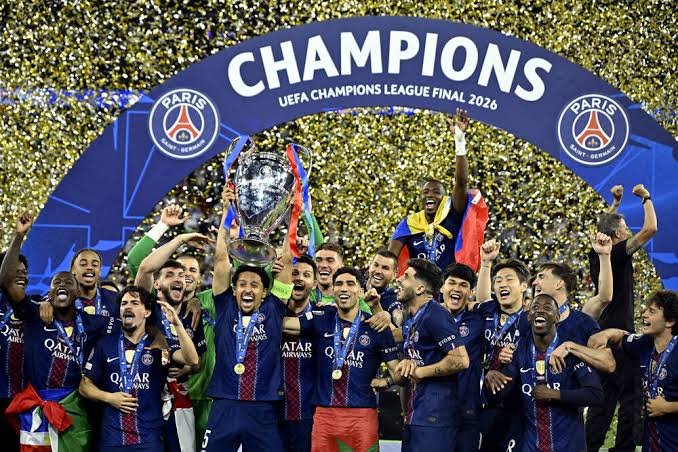
PSG, the latest winners, from france. European Championship League, UCL Soccer League, and UEFA CL Champions: A Beginner’s Guide for American Soccer Fans
Welcome, new American fans! If you’ve mostly watched the World Cup and want to dip into Europe’s big clubs, you’re in for a treat. Think of two big families in European football: one that covers national teams and one that covers clubs. This guide breaks down the main ideas behind Europe’s top club competitions—the European Championship vibe for clubs, the UCL (often just called the Champions League), and the broader world of UEFA club contests—so you can jump into conversations, follow matches, and feel confident when the drama starts.
European Championship League, UCL Soccer League, and UEFA CL Champions: What these terms mean
– European Championship League (informal): People sometimes call Europe’s top club competitions the “European Championship League.” That’s a casual shorthand. The official flagship is the UEFA Champions League (UCL).
– UCL Soccer League: Another casual way fans refer to the UEFA Champions League.
– UEFA CL Champions: Short for UEFA Champions League Champions, i.e., the teams who win the Champions League each season.In short: the Champions League is Europe’s premier club competition. It brings the continent’s top clubs together from different domestic leagues to crown the best team in Europe. Expect Real Madrid, Manchester City, Bayern Munich, Barcelona, Liverpool, Paris Saint‑Germain, and many others to pop up in conversations and on your screen.
The uefa champions league How the UCL Soccer League works (in plain English)
Here’s the core idea, broken down step by step:– Qualification
– Domestic leagues decide who goes to the Champions League. The strongest leagues usually send more teams, plus a few spots go to teams that finished high in their league the previous season.
– Group stage
– 32 teams. They’re split into 8 groups of 4. Each team plays home and away games against the other three teams in its group.
– Advancement
– The top two teams from each group move on to the knockout rounds. It’s win-or-go-home from here.
– Knockout rounds
– Round of 16 → Quarterfinals → Semifinals → Final.
– Most of these rounds are two-legged affairs (home and away), except the final, which is a single game at a neutral venue.
– Rules and twists
– The away goals rule has been removed in recent seasons. If a tie stands after two legs, the match goes to extra time and, if needed, penalties.The UCL is the crown jewel of European club football. It’s the stage where giants clash, underdogs rise on big nights, and late goals become legendary.
Domestic leagues vs. the Champions League: how they fit together
– Domestic leagues
– The main long-running competition in each country (think Premier League in England, La Liga in Spain, Serie A in Italy, Bundesliga in Germany, Ligue 1 in France). Seasons run from late summer to spring.
– The champion and other top finishers win bragging rights and sometimes a spot in the Champions League for next season.
– The Champions League
– A separate, continent-wide competition played alongside domestic leagues. It brings together the best teams from across Europe to crown Europe’s top club.
– Why both exist
– Domestic leagues give you ongoing, week-to-week drama. The Champions League adds a continental showdown, with knockout tension and global audiences. Watching both gives you a full season of great soccer.Erlling Halland, one of the best in the game. https://soccertoday.us/erling-haaland-for-american-fans-profile-playing-style-manchester-city-and-the-2026-season/ What this means for you as a new American fan
– Access and timing
– UCL games are typically on weeknights or weekends during the knockout rounds. Domestic league games fit in throughout the week. It’s a steady stream of big matches and famous clubs.
– Star players and clubs
– Expect a rotating cast of global stars and legendary clubs. It’s a great way to learn team colors, crests, and chants as you start your journey.
– Culture and atmosphere
– European football has deep fan culture, history, and rivalries that flavor every match. The passion is intense—in a good way—yet welcoming to new fans.
– Learning the lingo
– You’ll hear terms like group stage, knockout stage, aggregate score, extra time, penalties, draws, and seedings. Getting comfortable with these makes watching easier and more fun.Tips for American newcomers: easy ways to dive in
1) Pick one club to follow
– Choose a team from a league or country you already know, or go with a club with a big, friendly fan base. Following that club in both its domestic league and the Champions League helps you connect the dots fast.
2) Watch highlights and explainers
– Short clips and simple explainers are perfect for catching up between games. They’ll teach you how the competition works and what to look for.
3) Learn a few key terms
– Group stage, knockout stage, aggregate score, extra time, penalties, draws, seedings. Knowing these makes matches less confusing and more fun.
4) Follow the calendar
– Mark the start of the European season (late summer), the mid-season winter break (varies by country), and the Champions League knockout rounds (February to May). You’ll have a steady flow of soccer to enjoy.Glossary and quick reference
– European Championship League: Informal term for Europe’s top club competition lineup (primarily the UEFA Champions League).
– UCL Soccer League: Another informal term for the UEFA Champions League.
– Group stage, knockout stage, aggregate score, extra time, penalties.
– Domestic leagues vs. continental cups: The difference between country-specific leagues and European-wide competitions.Getting the most from your first season
– Start simple: pick one club, follow its domestic league and its Champions League run.
– Watch a few key matches each month, plus highlights and explainers to catch up on tactics.
– Learn the basics: group stage, knockout stage, aggregate score, extra time, penalties.
– Use reputable sources for match reports and explainers as you grow more confident.
– Over time you’ll pick up formations, strategies, and the way managers adapt to different opponents.A quick recap to get you started fast
– European Championship League = informal way to refer to Europe’s top club competitions; the flagship is the UEFA Champions League (UCL).
– Domestic leagues give you year-long drama; the Champions League crowns Europe’s best club each season.
– For American fans, the best entry path is simple: pick a club, follow its league and UCL run, then gradually add more leagues and matches to your viewing plan.
– The drama, pace, and skill level are top-tier, and with a little consistency you’ll be chatting football with confidence in no time.If you want, tell me which club or league you’re tangling with first, and I’ll tailor a light, week-by-week viewing plan so you can jump in and start feeling like a seasoned Euro-soccer fan.
-
How Soccer Works for Beginners: The Ultimate Beginner’s Guide to Rules, Positions, Gameplay, and a Glossary
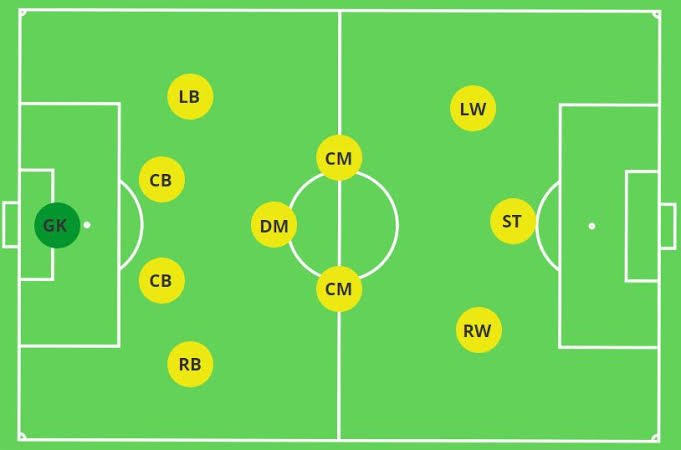
4-3-3 the classic, for the full explanesion- https://soccertoday.us/4-3-3-formation-differences-vs-4-4-2-and-3-5-2-and-when-to-use-it/ Hey, soccer fans! If you’re new to the game, you’re in the right spot. This guide is a friendly, no-juss talk to help you understand what’s going on when you watch or play. Let’s break it down so you can feel confident cheering from the stands or stepping onto the pitch yourself.
How does soccer work for beginners
Soccer is a team sport on a rectangular field with goals at either end. Each team has 11 players, including a designated goalkeeper who can use their hands—but only inside their own penalty area. The main goal is simple: score more goals than the other team.A standard match runs 90 minutes, split into two halves of 45 minutes each, with stoppage time added by the referee for injuries and delays. Most of the action is played with the feet, but you can head or chest the ball to control or pass it. Outfield players can’t use their hands, except for a throw-in (more on that soon) and the keeper can handle the ball inside their box.
The flow of a match goes from kickoff to build-up, to attacks and defenses, and then to set pieces like corners or free kicks. If the ball goes out along the sideline, a throw-in restarts play. If the ball crosses the goal line and a goal isn’t scored, they don’t restart with kick-ins; instead, the team might take a goal kick or a corner, depending on who last touched the ball. The offside rule helps keep things fair by preventing attackers from camping near the opponent’s goal. Fouls and misconduct can earn free kicks, penalty kicks, or yellow/red cards. The winner is the team with more goals at the end of regulation time; some competitions add extra time or penalties to decide a winner.
Key quick takeaways
– Two teams of 11 players per side, including a goalkeeper.
– The ball is in play for 90 minutes, with stoppage time added.
– Outfielders can’t use their hands; goalkeepers can, inside the box.
– Offside helps prevent players from hanging near the goal.
– Restarts include throw-ins, goal kicks, and corner kicks.Soccer explained for beginners
Think of soccer as offense vs. defense, with the action flipping from one end to the other. Possession comes from tackles, interceptions, and smart passing. Attacking means moving the ball through teammates, pulling defenders out of position, and finding a moment to take a shot. The defense tries to win the ball back and stop the other team from scoring. The goalkeeper is the last line of defense and often acts as a coach on the field, steering teammates and making saves. The rhythm comes from short passes, long balls, quick runs, and pressing to win the ball back high up the field.In most leagues, players rotate positions as the game goes. Formations like 4-4-2 or 4-3-3 describe how players line up, but coaches adjust on the fly to exploit weaknesses. Communication, timing, and space management are just as important as speed or technique. For beginners, focus on simple passing, staying onside, and working hard without the ball to help your team control the game.
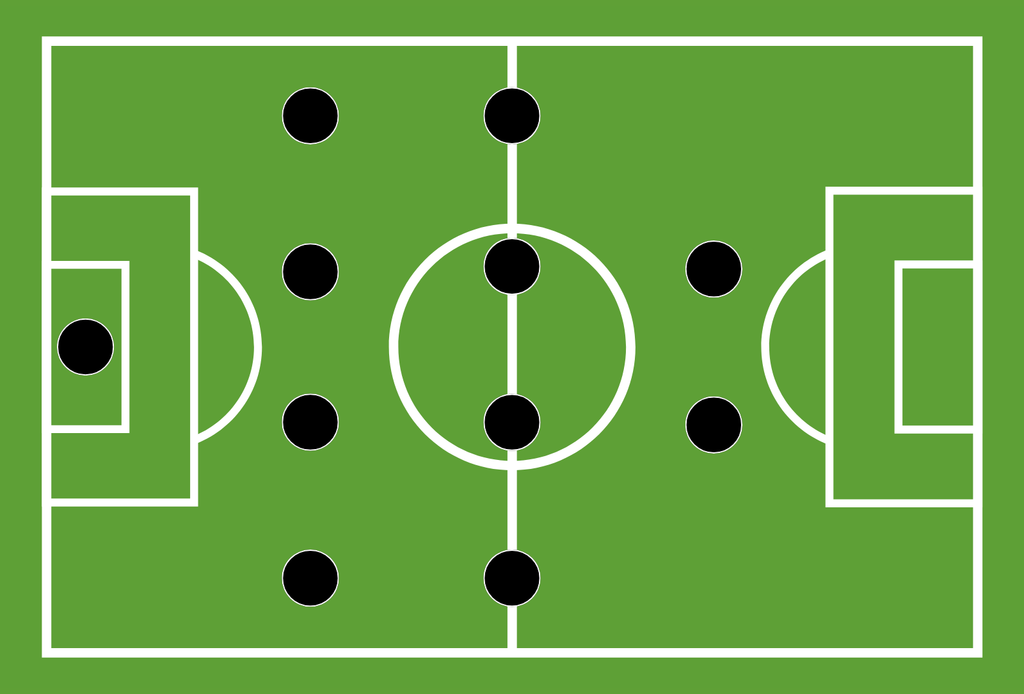
4-4-2, for the full explanesion- https://soccertoday.us/4-4-2-explained-a-fans-guide-to-footballs-classic-workhorse-formation/ Beginner’s guide to soccer rules
Gaining a solid feel for the rules makes games more fun to watch and easier to learn. Here are the basics in practical order:1) Starting a game: Kickoff at the center circle begins play, and you restart after a goal.
2) Scoring: A goal happens when the entire ball crosses the goal line between the posts and under the crossbar.
3) Offside: An attacker can’t be ahead of the last defender when the ball is played to them (there are a few exceptions in their own half).
4) Fouls and misconduct: Can lead to free kicks or penalties, depending on where the foul happened and how severe it was.
5) Restarts: After the ball goes out on the sideline, a throw-in restarts play from the spot where it left the field, with both feet on the ground.
6) Last touch matters: If the ball crosses the goal line last touched by a defender, it’s a goal kick for the defending team; if last touched by an attacker, it’s a corner kick for the attacking team.
7) Handball: The hand or arm is allowed only for the goalkeeper in the penalty area or for a deliberate act by an outfield player; most other uses are a foul.
8) Substitutions: Teams can bring on fresh players, usually a limited number per match.Basic soccer rules for newcomers
Here are the essentials you’ll want to remember when watching or playing your first games:– The game has 11 players per side, including the goalkeeper.
– Only the goalkeeper may touch the ball with their hands, and only inside the penalty area.
– Players must stay onside; the ball must be played to a teammate who is in front of the last defender for an offside call to occur.
– In-game restarts include throw-ins, goal kicks, and corner kicks.
– Direct or indirect free kicks are awarded for fouls; penalties are given for serious fouls inside the box.
– Matches are divided into two halves, with stoppage time added for injuries and delays.Understanding soccer positions for beginners
Positions help teams organize their play. Here’s a simple overview of common roles you’ll hear about:– Goalkeeper (GK): The last line of defense who can use their hands inside the box.
– Defenders:
– Center-backs: Stop attacks through the middle and clear the ball.
– Fullbacks (left and right): Cover the flanks and support the attack.
– Midfielders:
– Defensive midfielders: Shield the defense and start plays from deep.
– Central midfielders: Link defense and attack, control the tempo with passes.
– Attacking midfielders: Create chances and push the ball toward the forwards.
– Forwards:
– Wingers: Fast players who stretch the defense and deliver crosses.
– Center forwards/strikers: The main goal threats who finish chances.Formations like 4-4-2 or 4-3-3 are ways teams organize these roles on the field. In games, players switch between offense and defense as the ball moves. Some players cover more ground than others. For beginners, focus on learning one position at a time, understanding its responsibilities, and staying aware of teammates’ movements.
Soccer rules and gameplay explained
The heartbeat of the game is how teams switch from defense to attack. A typical sequence: your team wins the ball in their own half, builds up with passes to create space, moves the ball forward, and takes a shot at goal. If the shot misses or is saved, play continues with a goal kick or a new possession for the other team. Defenders try to intercept passes, block runs, and clear danger. Set pieces—corners and free kicks—give teams good chances to score because players position themselves for crosses and shots.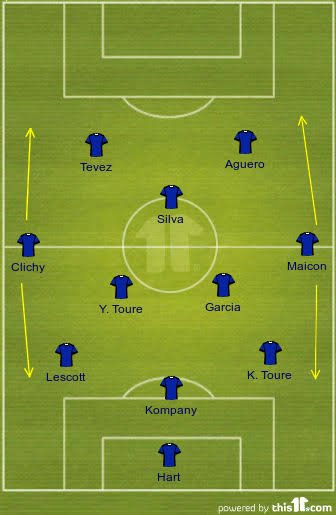
3-5-2, for the full explanesion- https://soccertoday.us/3-5-2-formation-explained-a-compact-wing-back-powered-system-for-midfield-control/ As a beginner, you’ll hear terms like “pressing,” “build-up play,” and “counterattack.” These describe how teams speed up the game, move the ball through teammates, and try to catch the opponent with quick, sharp moves. Build consistency with solid passing, smart positioning, and never giving up on a ball. That’s what separates good players from great ones.
Glossary of soccer terms for beginners
Knowing the basics helps you follow broadcasts and conversations. Here are common terms with short definitions:– Goal: The ball fully crosses the goal line between the posts and under the crossbar.
– Pitch: The playing field.
– Kickoff: The start of play from the center circle or after a goal.
– Offside: An attacker is nearer to the opponent’s goal than the ball and the second-to-last defender when the ball is played to them (with some exceptions).
– Foul: An unfair act or rule breach; may lead to a free kick or penalty.
– Direct free kick: A kick from which a goal can be scored directly.
– Indirect free kick: A kick that must touch another player before a goal can be scored.
– Penalty: A direct free kick awarded from the penalty spot after a foul inside the box.
– Throw-in: Restart of play from the sideline after the ball goes out, taken with both feet on the ground.
– Corner kick: Awarded to the attacking team when the ball last touches a defender before crossing the goal line.
– Goalkeeper: The player who can use hands within the penalty area to stop shots.
– Formation: The arrangement of players on the field (for example, 4-4-2, 4-3-3).How to play soccer for beginners
Getting started is easier than you think. Here are practical steps to begin playing and improving quickly:– Gear up: Shin guards, shoes suited for grass or turf, and a comfortable jersey. Use a ball sized for your age group.
– Find games: Look for local pickup games at a park, school, or community center to practice with others.
– Basic skills: Practice passing, dribbling, and shooting. Start with simple passing drills, then add movement and control.
– Ball control: Practice with both feet, keep your head up to see teammates, and learn to shield the ball from defenders.
– Simple routine: Try a simple practice plan—10 minutes passing, 10 minutes dribbling through cones, 10 minutes shooting, plus 5 minutes of cool-down and stretches.
– Watch and learn: Pick a game or two to study how players move, position themselves, and use space on the field.
– Stay safe and have fun: Respect teammates, coaches, and officials, and listen to your body during practice and matches.The Woman nasional team vs the man’s- https://soccertoday.us/uswnt-vs-usmnt-a-beginners-guide-to-world-cup-glory-trophies-and-longevity/ Starting with these basics will give you a solid foundation. As you grow more confident, you can add more advanced drills, learn different formations, and start understanding team tactics. The key is consistency, a positive attitude, and a willingness to learn from every touch of the ball.
If you want, I can tailor this guide to a specific age group, league level, or country’s rules. Tell me who you’re writing for (kids, teens, adults) and where you’ll be playing, and I’ll adjust the tone and examples to fit.
-
Beginner’s Soccer Guide: How Soccer Works, Rules, Positions, Offside, Fouls, and Essential Drills
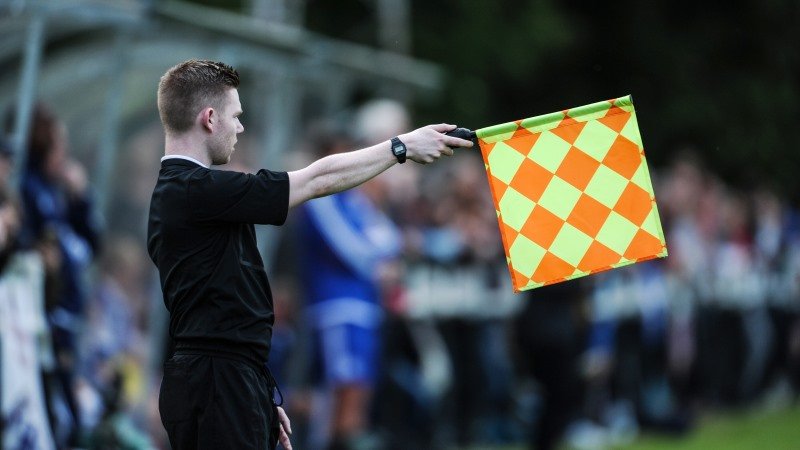
1) How soccer works for beginners: complete rules and gameplay
Hey there, future soccer fan! Here’s the plain-language version of how the game works, from the first whistle to the final one. Two teams, 11 players on the field for each side, a goalkeeper protecting the net, and a whole lot of chasing, passing, and shooting.
Big picture:
– The game goes in two halves, usually 45 minutes each, with stoppage time for injuries, substitutions, and other delays.
– The aim is simple: move the ball toward the opponent’s goal and put it in the net more times than they do.Key parts to know:
– Kickoff: The game starts in the center circle. After a goal, kickoff happens again from the center.
– Ball in play: The ball is out when it fully crosses the sideline or end line. Restart with a throw-in, goal kick, or corner kick, depending on who touched last.
– Scoring: A goal counts when the whole ball crosses the goal line between the posts and under the crossbar.
– Offside and fouls: Both matter a lot in how the game flows.
– Substitutions, referee, and discipline: Substitutions are limited and rules vary a bit by league; the referee enforces the rules and issues cards for serious fouls.
– Restart rules after fouls and free kicks: Free kicks restart play after a stoppage.
– Injury time and flow: Time is added at the end of each half to cover delays.Bottom line: players pass, dribble, and shoot using any part of the body except the hands and arms. The goalkeeper can use their hands, but only inside their own penalty area. Teamwork, spacing, and smart decisions often beat pure speed or flashy tricks.
2) Beginner’s guide to soccer rules, positions, and play
Rules keep the game moving, and positions give you a rough map of who does what. Modern soccer often blends roles, but the basics still help.
Common positions and their general duties:
– Goalkeeper: Stands in front of the net, protects the goal, and can use hands inside the penalty area.
– Defenders: Shield the goal from attackers, clear danger, and help build play from the back.
– Midfielders: Link defense to attack, pass, control tempo, and run a lot to cover space.
– Forwards: The main goal threats who run at defenders, create chances, and finish when opportunities arise.Understant the CHAMPIONS LEAGUE better- https://soccertoday.us/uefa-champions-league-2026-27-preview-for-american-fans-pulisic-reyna-mckennie-and-the-us-stars-on-europes-biggest-stage/ Quick rules check for beginners:
– Ball out of play restarts with a throw-in, goal kick, or corner kick.
– Direct free kicks can be scored directly; indirect free kicks require a touch by another player before a goal counts.
– Hands: Only the goalkeeper may handle the ball in the penalty area, and only during active play. Outside the area, handling the ball is a foul.
– Fouls: Tripping, pushing, or dangerous play can lead to free kicks or penalties if inside the box.
– Offside: A player is offside if they’re nearer to the opponent’s goal line than the ball and the second-last defender when the ball is played to them, with some exceptions. The ref judges timing and position.Play style varies by team and coach, but most teams focus on keeping possession, passing, and making smart runs with good spacing.
3) How does soccer work for beginners: a clear rules overview
Here’s a clean snapshot you can bookmark for watching a game or coaching a kid’s team:
– The field is divided into defensive, midfield, and attacking zones, with a goal at each end.
– The ball starts in the center and must be moved forward with passes, touches, or dribbles—no hands (except the goalkeeper).
– Scoring is the main goal; the team with more goals wins (or it’s a draw if tied after 90 minutes).
– Fouls lead to direct or indirect free kicks; serious fouls can bring yellow or red cards.
– Offside can stop a promising move to prevent attackers from hanging near the goal.For beginners, the big habits to build are simple: pass to teammates, move to open space, communicate, and stay aware of your position relative to teammates and opponents.
4) Offside and fouls in soccer explained for beginners
Offside (the timing-and-position rule) is about making runs with purpose. You’re offside if you’re closer to the opponent’s goal line than both the ball and the second-last defender when the ball is played to you, and you’re actively involved in the play. If the ref flags you, play stops and the other team gets an indirect free kick. Tip: time your runs with the ball and don’t chase long passes behind the defense unless you’re sure you’ll be onside when the ball is played.
Fouls cover trips, pushes, holds, or dangerous plays. If a foul happens, the referee awards a free kick to the other team (direct or indirect). Direct free kicks can score right away; indirect free kicks need another touch by a player before a goal can count. Serious fouls or repeated offenses inside the box can lead to penalties or cards. The whistle stops play and restarts with the proper kick, not a mad sprint to the ball.
5) Soccer basics for beginners: rules, positions, and strategy
Smart basics for beginners:
– Control and passing: Keep the ball moving with short, accurate passes to maintain possession.
– Spacing: Don’t crowd the ball. Create lanes and layers so teammates have options.
– Positioning: Know your role and how your run helps teammates.
– Pressure and transition: When you lose the ball, pressure quickly to win it back; when you gain it, move fast to create chances.
– Shots and finishing: Take clean, well-aimed shots from good spots rather than forcing tough attempts.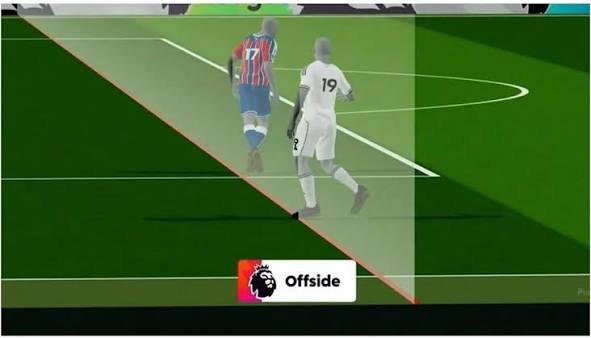
Close margens… Common formations you’ll hear about include 4-4-2, 4-3-3, and 3-5-2. They’re about balancing defense, control in the middle, and attacking options. In your early sessions, practice keeping a compact shape and making simple passes to keep the game flowing.
6) The beginner’s guide to soccer field, rules, and equipment
A quick guide to field setup and gear:
– Field: Dimensions vary, but many adult fields are about 100-105 meters long and 64-68 meters wide.
– Goal: About 7.32 meters wide and 2.44 meters tall.
– Ball: Different sizes for youth and adults; beginners often start with a size 4 or 5 ball depending on age and strength.
– Equipment: Shin guards, cleats, socks, and well-fitting jerseys/shorts for easy movement.
– Markings: Expect the penalty area, goal area, center circle, and touchlines. Offside lines run from the defenders to help officials judge timing and position.Knowing the field helps you defend when the opponent pushes forward and decide where to pass or press.
7) How to play soccer for beginners: scoring, rules, and roles
A practical, hands-on view for getting into a game quickly:
– Scoring: Put the ball in the opponent’s net. Celebrations are fun, but you stay focused because they’ll try to answer fast.
– Roles: Defense to attack, but you’ll switch as the ball moves and space opens.
– Practice plan: Warm up lightly, then work on basic passing and movement: one-twos, give-and-go runs, and simple crosses or shots from the edge of the box.
– Communication: Call for passes, point to space, and signal when you’re making a run or covering a man.Remember: beginners improve fastest when the vibe is supportive, low-pressure, and focused on fundamentals over flashy tricks.
8) Soccer rules explained for new players and learners
A quick cheat-sheet you can keep handy:
– Games have two halves with stoppage time added as needed.
– Only the goalkeeper may handle the ball inside the penalty area, and only during active play.
– Direct free kicks can score directly; indirect free kicks require a touch by another player before a goal counts.
– Offside is about timing and space; stay onside by pacing with teammates and using space well.
– Substitutions are limited and must be done at designated times and spots according to the league.Keep these basics in mind and watching or playing becomes a lot easier and more fun.
9) Beginner-friendly guide to soccer drills, basics, and tactics
Drills that help turn knowledge into action. Try these simple, beginner-friendly activities in practice or casual games:
– Dribbling drill: Move the ball in a tight space with both inside and outside of the foot. Focus on control, not speed.
– Passing drill: Pair up and pass back and forth with one-touch passes, then add a quick one-two for game-like feel.
– Shooting drill: Start close, then step back as you gain confidence. Aim for the corners of the goal to improve accuracy.
– Defensive positioning: Practice staying compact as a unit, forcing attackers into predictable spaces and winning the ball back together.
– Simple tactics: Keep a good shape, press when you win the ball, and use wide spaces to stretch the defense when possible.Wrap up each session with a quick cool-down and a short review of what went well and what needs work. Consistency beats bursts of brilliance in the early days, so aim for regular touches and easy, repeatable habits.
If you want, I can tailor this in a simpler style for a poster, a short video script, or a quick handout for players and parents.