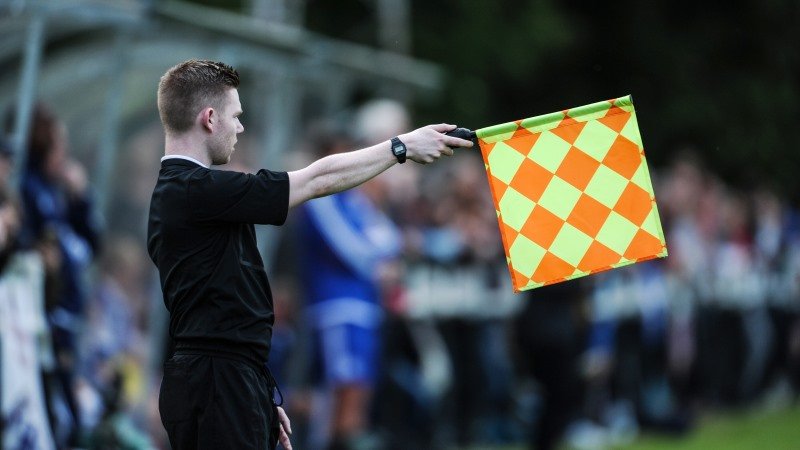
1) How soccer works for beginners: complete rules and gameplay
Hey there, future soccer fan! Here’s the plain-language version of how the game works, from the first whistle to the final one. Two teams, 11 players on the field for each side, a goalkeeper protecting the net, and a whole lot of chasing, passing, and shooting.
Big picture:
– The game goes in two halves, usually 45 minutes each, with stoppage time for injuries, substitutions, and other delays.
– The aim is simple: move the ball toward the opponent’s goal and put it in the net more times than they do.
Key parts to know:
– Kickoff: The game starts in the center circle. After a goal, kickoff happens again from the center.
– Ball in play: The ball is out when it fully crosses the sideline or end line. Restart with a throw-in, goal kick, or corner kick, depending on who touched last.
– Scoring: A goal counts when the whole ball crosses the goal line between the posts and under the crossbar.
– Offside and fouls: Both matter a lot in how the game flows.
– Substitutions, referee, and discipline: Substitutions are limited and rules vary a bit by league; the referee enforces the rules and issues cards for serious fouls.
– Restart rules after fouls and free kicks: Free kicks restart play after a stoppage.
– Injury time and flow: Time is added at the end of each half to cover delays.
Bottom line: players pass, dribble, and shoot using any part of the body except the hands and arms. The goalkeeper can use their hands, but only inside their own penalty area. Teamwork, spacing, and smart decisions often beat pure speed or flashy tricks.
2) Beginner’s guide to soccer rules, positions, and play
Rules keep the game moving, and positions give you a rough map of who does what. Modern soccer often blends roles, but the basics still help.
Common positions and their general duties:
– Goalkeeper: Stands in front of the net, protects the goal, and can use hands inside the penalty area.
– Defenders: Shield the goal from attackers, clear danger, and help build play from the back.
– Midfielders: Link defense to attack, pass, control tempo, and run a lot to cover space.
– Forwards: The main goal threats who run at defenders, create chances, and finish when opportunities arise.

Quick rules check for beginners:
– Ball out of play restarts with a throw-in, goal kick, or corner kick.
– Direct free kicks can be scored directly; indirect free kicks require a touch by another player before a goal counts.
– Hands: Only the goalkeeper may handle the ball in the penalty area, and only during active play. Outside the area, handling the ball is a foul.
– Fouls: Tripping, pushing, or dangerous play can lead to free kicks or penalties if inside the box.
– Offside: A player is offside if they’re nearer to the opponent’s goal line than the ball and the second-last defender when the ball is played to them, with some exceptions. The ref judges timing and position.
Play style varies by team and coach, but most teams focus on keeping possession, passing, and making smart runs with good spacing.
3) How does soccer work for beginners: a clear rules overview
Here’s a clean snapshot you can bookmark for watching a game or coaching a kid’s team:
– The field is divided into defensive, midfield, and attacking zones, with a goal at each end.
– The ball starts in the center and must be moved forward with passes, touches, or dribbles—no hands (except the goalkeeper).
– Scoring is the main goal; the team with more goals wins (or it’s a draw if tied after 90 minutes).
– Fouls lead to direct or indirect free kicks; serious fouls can bring yellow or red cards.
– Offside can stop a promising move to prevent attackers from hanging near the goal.
For beginners, the big habits to build are simple: pass to teammates, move to open space, communicate, and stay aware of your position relative to teammates and opponents.
4) Offside and fouls in soccer explained for beginners
Offside (the timing-and-position rule) is about making runs with purpose. You’re offside if you’re closer to the opponent’s goal line than both the ball and the second-last defender when the ball is played to you, and you’re actively involved in the play. If the ref flags you, play stops and the other team gets an indirect free kick. Tip: time your runs with the ball and don’t chase long passes behind the defense unless you’re sure you’ll be onside when the ball is played.
Fouls cover trips, pushes, holds, or dangerous plays. If a foul happens, the referee awards a free kick to the other team (direct or indirect). Direct free kicks can score right away; indirect free kicks need another touch by a player before a goal can count. Serious fouls or repeated offenses inside the box can lead to penalties or cards. The whistle stops play and restarts with the proper kick, not a mad sprint to the ball.
5) Soccer basics for beginners: rules, positions, and strategy
Smart basics for beginners:
– Control and passing: Keep the ball moving with short, accurate passes to maintain possession.
– Spacing: Don’t crowd the ball. Create lanes and layers so teammates have options.
– Positioning: Know your role and how your run helps teammates.
– Pressure and transition: When you lose the ball, pressure quickly to win it back; when you gain it, move fast to create chances.
– Shots and finishing: Take clean, well-aimed shots from good spots rather than forcing tough attempts.
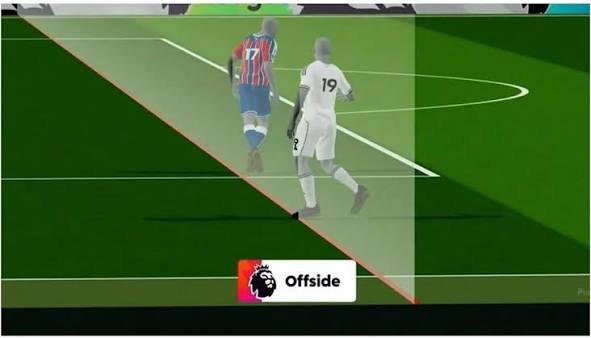
Common formations you’ll hear about include 4-4-2, 4-3-3, and 3-5-2. They’re about balancing defense, control in the middle, and attacking options. In your early sessions, practice keeping a compact shape and making simple passes to keep the game flowing.
6) The beginner’s guide to soccer field, rules, and equipment
A quick guide to field setup and gear:
– Field: Dimensions vary, but many adult fields are about 100-105 meters long and 64-68 meters wide.
– Goal: About 7.32 meters wide and 2.44 meters tall.
– Ball: Different sizes for youth and adults; beginners often start with a size 4 or 5 ball depending on age and strength.
– Equipment: Shin guards, cleats, socks, and well-fitting jerseys/shorts for easy movement.
– Markings: Expect the penalty area, goal area, center circle, and touchlines. Offside lines run from the defenders to help officials judge timing and position.
Knowing the field helps you defend when the opponent pushes forward and decide where to pass or press.
7) How to play soccer for beginners: scoring, rules, and roles
A practical, hands-on view for getting into a game quickly:
– Scoring: Put the ball in the opponent’s net. Celebrations are fun, but you stay focused because they’ll try to answer fast.
– Roles: Defense to attack, but you’ll switch as the ball moves and space opens.
– Practice plan: Warm up lightly, then work on basic passing and movement: one-twos, give-and-go runs, and simple crosses or shots from the edge of the box.
– Communication: Call for passes, point to space, and signal when you’re making a run or covering a man.
Remember: beginners improve fastest when the vibe is supportive, low-pressure, and focused on fundamentals over flashy tricks.

8) Soccer rules explained for new players and learners
A quick cheat-sheet you can keep handy:
– Games have two halves with stoppage time added as needed.
– Only the goalkeeper may handle the ball inside the penalty area, and only during active play.
– Direct free kicks can score directly; indirect free kicks require a touch by another player before a goal counts.
– Offside is about timing and space; stay onside by pacing with teammates and using space well.
– Substitutions are limited and must be done at designated times and spots according to the league.
Keep these basics in mind and watching or playing becomes a lot easier and more fun.
9) Beginner-friendly guide to soccer drills, basics, and tactics
Drills that help turn knowledge into action. Try these simple, beginner-friendly activities in practice or casual games:
– Dribbling drill: Move the ball in a tight space with both inside and outside of the foot. Focus on control, not speed.
– Passing drill: Pair up and pass back and forth with one-touch passes, then add a quick one-two for game-like feel.
– Shooting drill: Start close, then step back as you gain confidence. Aim for the corners of the goal to improve accuracy.
– Defensive positioning: Practice staying compact as a unit, forcing attackers into predictable spaces and winning the ball back together.
– Simple tactics: Keep a good shape, press when you win the ball, and use wide spaces to stretch the defense when possible.
Wrap up each session with a quick cool-down and a short review of what went well and what needs work. Consistency beats bursts of brilliance in the early days, so aim for regular touches and easy, repeatable habits.
If you want, I can tailor this in a simpler style for a poster, a short video script, or a quick handout for players and parents.
Leave a Reply