Hey, soccer fans! If you’re new to the game, you’re in the right spot. This guide is a friendly, no-juss talk to help you understand what’s going on when you watch or play. Let’s break it down so you can feel confident cheering from the stands or stepping onto the pitch yourself.
How does soccer work for beginners
Soccer is a team sport on a rectangular field with goals at either end. Each team has 11 players, including a designated goalkeeper who can use their hands—but only inside their own penalty area. The main goal is simple: score more goals than the other team.
A standard match runs 90 minutes, split into two halves of 45 minutes each, with stoppage time added by the referee for injuries and delays. Most of the action is played with the feet, but you can head or chest the ball to control or pass it. Outfield players can’t use their hands, except for a throw-in (more on that soon) and the keeper can handle the ball inside their box.
The flow of a match goes from kickoff to build-up, to attacks and defenses, and then to set pieces like corners or free kicks. If the ball goes out along the sideline, a throw-in restarts play. If the ball crosses the goal line and a goal isn’t scored, they don’t restart with kick-ins; instead, the team might take a goal kick or a corner, depending on who last touched the ball. The offside rule helps keep things fair by preventing attackers from camping near the opponent’s goal. Fouls and misconduct can earn free kicks, penalty kicks, or yellow/red cards. The winner is the team with more goals at the end of regulation time; some competitions add extra time or penalties to decide a winner.
Key quick takeaways
– Two teams of 11 players per side, including a goalkeeper.
– The ball is in play for 90 minutes, with stoppage time added.
– Outfielders can’t use their hands; goalkeepers can, inside the box.
– Offside helps prevent players from hanging near the goal.
– Restarts include throw-ins, goal kicks, and corner kicks.
Soccer explained for beginners
Think of soccer as offense vs. defense, with the action flipping from one end to the other. Possession comes from tackles, interceptions, and smart passing. Attacking means moving the ball through teammates, pulling defenders out of position, and finding a moment to take a shot. The defense tries to win the ball back and stop the other team from scoring. The goalkeeper is the last line of defense and often acts as a coach on the field, steering teammates and making saves. The rhythm comes from short passes, long balls, quick runs, and pressing to win the ball back high up the field.
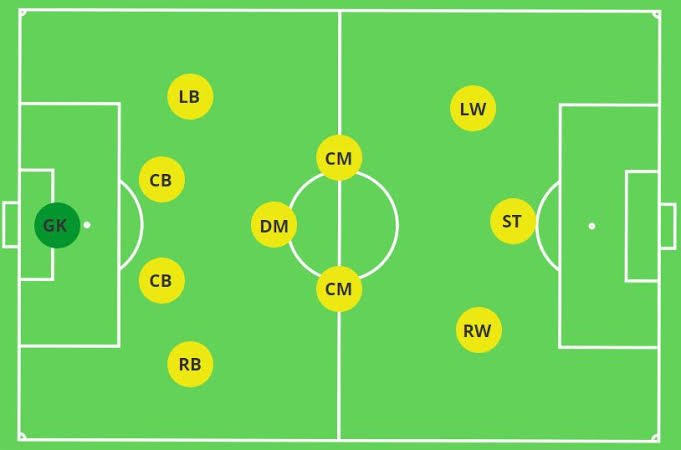
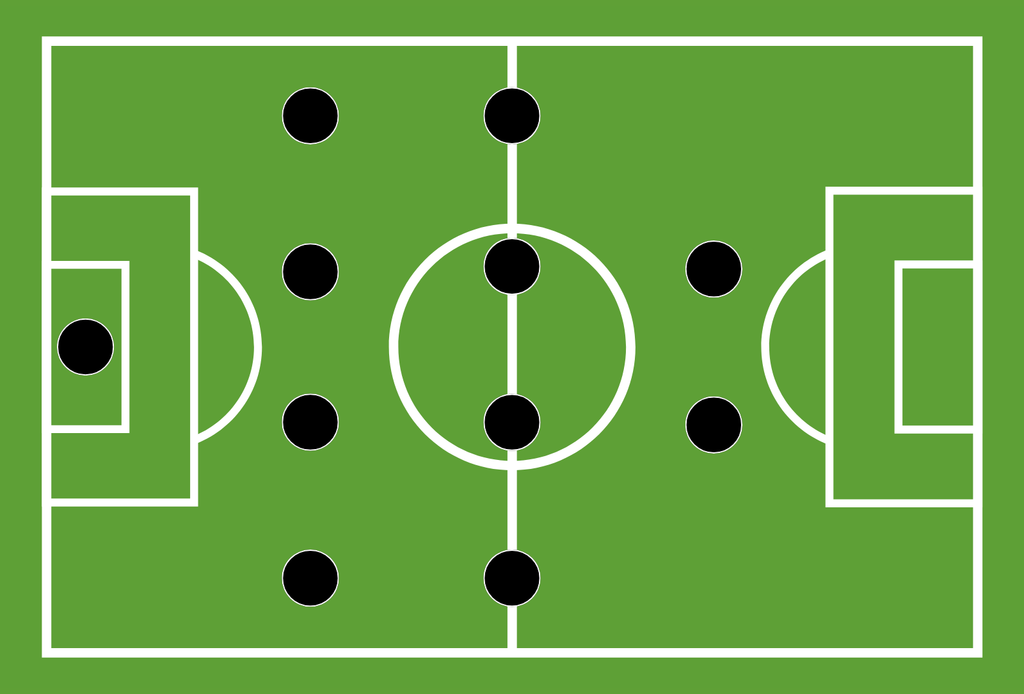
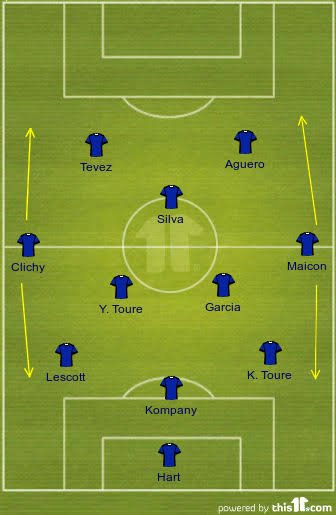
In most leagues, players rotate positions as the game goes. Formations like 4-4-2 or 4-3-3 describe how players line up, but coaches adjust on the fly to exploit weaknesses. Communication, timing, and space management are just as important as speed or technique. For beginners, focus on simple passing, staying onside, and working hard without the ball to help your team control the game.
Beginner’s guide to soccer rules
Gaining a solid feel for the rules makes games more fun to watch and easier to learn. Here are the basics in practical order:
1) Starting a game: Kickoff at the center circle begins play, and you restart after a goal.
2) Scoring: A goal happens when the entire ball crosses the goal line between the posts and under the crossbar.
3) Offside: An attacker can’t be ahead of the last defender when the ball is played to them (there are a few exceptions in their own half).
4) Fouls and misconduct: Can lead to free kicks or penalties, depending on where the foul happened and how severe it was.
5) Restarts: After the ball goes out on the sideline, a throw-in restarts play from the spot where it left the field, with both feet on the ground.
6) Last touch matters: If the ball crosses the goal line last touched by a defender, it’s a goal kick for the defending team; if last touched by an attacker, it’s a corner kick for the attacking team.
7) Handball: The hand or arm is allowed only for the goalkeeper in the penalty area or for a deliberate act by an outfield player; most other uses are a foul.
8) Substitutions: Teams can bring on fresh players, usually a limited number per match.
Basic soccer rules for newcomers
Here are the essentials you’ll want to remember when watching or playing your first games:
– The game has 11 players per side, including the goalkeeper.
– Only the goalkeeper may touch the ball with their hands, and only inside the penalty area.
– Players must stay onside; the ball must be played to a teammate who is in front of the last defender for an offside call to occur.
– In-game restarts include throw-ins, goal kicks, and corner kicks.
– Direct or indirect free kicks are awarded for fouls; penalties are given for serious fouls inside the box.
– Matches are divided into two halves, with stoppage time added for injuries and delays.
Understanding soccer positions for beginners
Positions help teams organize their play. Here’s a simple overview of common roles you’ll hear about:
– Goalkeeper (GK): The last line of defense who can use their hands inside the box.
– Defenders:
– Center-backs: Stop attacks through the middle and clear the ball.
– Fullbacks (left and right): Cover the flanks and support the attack.
– Midfielders:
– Defensive midfielders: Shield the defense and start plays from deep.
– Central midfielders: Link defense and attack, control the tempo with passes.
– Attacking midfielders: Create chances and push the ball toward the forwards.
– Forwards:
– Wingers: Fast players who stretch the defense and deliver crosses.
– Center forwards/strikers: The main goal threats who finish chances.
Formations like 4-4-2 or 4-3-3 are ways teams organize these roles on the field. In games, players switch between offense and defense as the ball moves. Some players cover more ground than others. For beginners, focus on learning one position at a time, understanding its responsibilities, and staying aware of teammates’ movements.
Soccer rules and gameplay explained
The heartbeat of the game is how teams switch from defense to attack. A typical sequence: your team wins the ball in their own half, builds up with passes to create space, moves the ball forward, and takes a shot at goal. If the shot misses or is saved, play continues with a goal kick or a new possession for the other team. Defenders try to intercept passes, block runs, and clear danger. Set pieces—corners and free kicks—give teams good chances to score because players position themselves for crosses and shots.
As a beginner, you’ll hear terms like “pressing,” “build-up play,” and “counterattack.” These describe how teams speed up the game, move the ball through teammates, and try to catch the opponent with quick, sharp moves. Build consistency with solid passing, smart positioning, and never giving up on a ball. That’s what separates good players from great ones.
Glossary of soccer terms for beginners
Knowing the basics helps you follow broadcasts and conversations. Here are common terms with short definitions:
– Goal: The ball fully crosses the goal line between the posts and under the crossbar.
– Pitch: The playing field.
– Kickoff: The start of play from the center circle or after a goal.
– Offside: An attacker is nearer to the opponent’s goal than the ball and the second-to-last defender when the ball is played to them (with some exceptions).
– Foul: An unfair act or rule breach; may lead to a free kick or penalty.
– Direct free kick: A kick from which a goal can be scored directly.
– Indirect free kick: A kick that must touch another player before a goal can be scored.
– Penalty: A direct free kick awarded from the penalty spot after a foul inside the box.
– Throw-in: Restart of play from the sideline after the ball goes out, taken with both feet on the ground.
– Corner kick: Awarded to the attacking team when the ball last touches a defender before crossing the goal line.
– Goalkeeper: The player who can use hands within the penalty area to stop shots.
– Formation: The arrangement of players on the field (for example, 4-4-2, 4-3-3).
How to play soccer for beginners
Getting started is easier than you think. Here are practical steps to begin playing and improving quickly:
– Gear up: Shin guards, shoes suited for grass or turf, and a comfortable jersey. Use a ball sized for your age group.
– Find games: Look for local pickup games at a park, school, or community center to practice with others.
– Basic skills: Practice passing, dribbling, and shooting. Start with simple passing drills, then add movement and control.
– Ball control: Practice with both feet, keep your head up to see teammates, and learn to shield the ball from defenders.
– Simple routine: Try a simple practice plan—10 minutes passing, 10 minutes dribbling through cones, 10 minutes shooting, plus 5 minutes of cool-down and stretches.
– Watch and learn: Pick a game or two to study how players move, position themselves, and use space on the field.
– Stay safe and have fun: Respect teammates, coaches, and officials, and listen to your body during practice and matches.
Starting with these basics will give you a solid foundation. As you grow more confident, you can add more advanced drills, learn different formations, and start understanding team tactics. The key is consistency, a positive attitude, and a willingness to learn from every touch of the ball.
If you want, I can tailor this guide to a specific age group, league level, or country’s rules. Tell me who you’re writing for (kids, teens, adults) and where you’ll be playing, and I’ll adjust the tone and examples to fit.
Leave a Reply