Category: Uncategorized

  • 4-3-3 Formation: Differences vs 4-4-2 and 3-5-2, and When to Use It

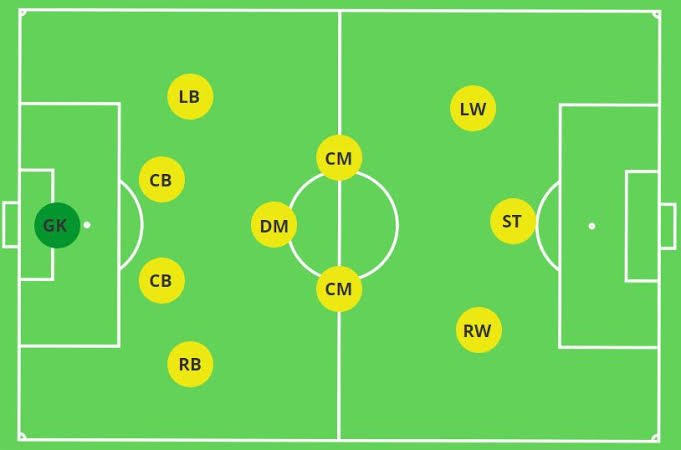
    What is the 4-3-3 formation?

    Think of the 4-3-3 as a solid back four, a three-man midfield, and a front three. The idea is simple: control the middle with three central players, let the wingers stretch the pitch, and have a central striker as the focal point. In possession, that midfield trio can morph into a compact 4-2-3-1 shape—one midfielder drags a touch deeper, the other two push higher to support the attack. Off the ball, the front three press as a unit, the pivot in midfield shields the defense, and the back four stay organized to deny space for the opposition’s attackers.

    Differences: 4-3-3 vs 4-4-2

    Here’s how these two popular Belgian-blues formations stack up in structure, strengths, and risk.

    – Structure:
    – 4-3-3: back four, three in midfield, three attackers. It leans toward a packed midfield and uses the wingers to provide global width.
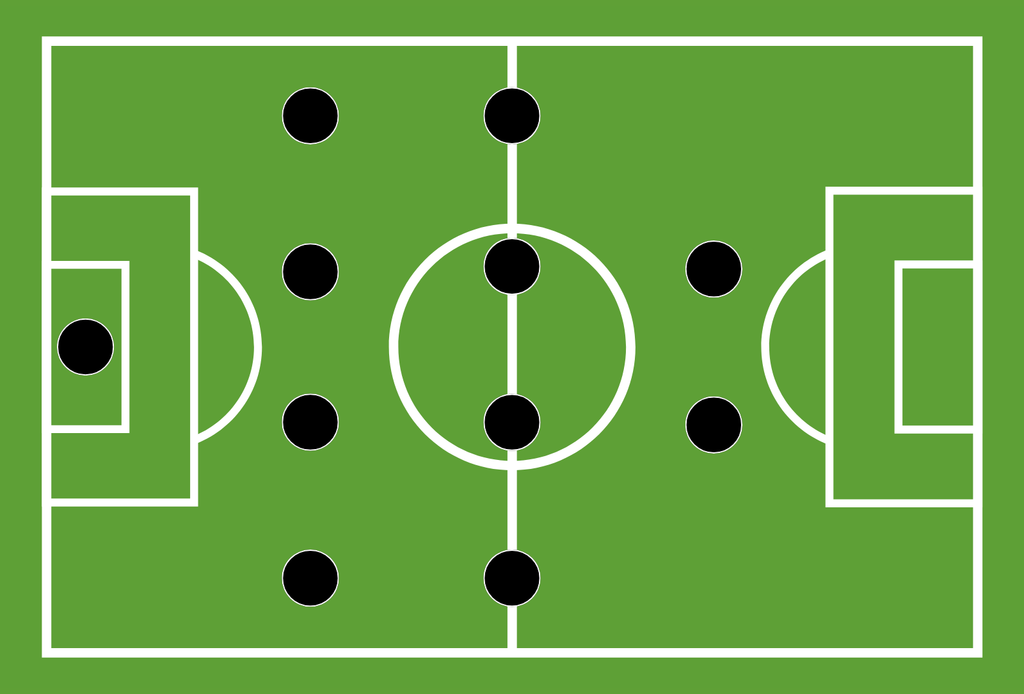
    – 4-4-2: back four, four midfielders (often two central, two wide), and two strikers. It’s more balanced in the middle and relies on directness from two forwards.
    – Width and pressing:
    – 4-3-3: wide forwards stay high and press from the front as a unit, helping disrupt the opponent’s build-up.
    – 4-4-2: width often comes from full-backs or wide midfielders; the two strikers stay active in the box and link play.
    – Midfield control:
    – 4-3-3: three central players press, recover, and recycle play; ball movement often goes through the middle with width used to switch play.
    – 4-4-2: a more compact middle with four midfielders forming a tighter line, which can help against teams that overload central areas.
    – Defensive shape:
    – 4-3-3: can morph into flexible shapes in transition; the pivot sits, others drop to cover space.
    – 4-4-2: tends to stay more rigid—two banks of four with two strikers pressing as a unit—good when you want to be difficult to break down.
    – Risks:
    – 4-3-3: wide attackers must track back; if they don’t, space opens on the flanks for overloads.
    – 4-4-2: can struggle against teams flooding the midfield or when wingers are dangerous, especially if the wide players aren’t disciplined.

    Bottom line: 4-3-3 emphasizes midfield control and width in attack; 4-4-2 emphasizes balance, solidity, and directness with two forwards. Which you choose depends on your players, the opponent, and what you want to emphasize in a game.
    Understand 4-4-2 better- https://soccertoday.us/4-4-2-explained-a-fans-guide-to-footballs-classic-workhorse-formation/

    Differences: 4-3-3 vs 3-5-2

    Now let’s compare the 4-3-3 to a wing-back heavy setup, the 3-5-2. It’s amazing how the same number of midfielders can feel so different when you’ve got a back three instead of a back four.

    – Backline:
    – 4-3-3: traditional back four.
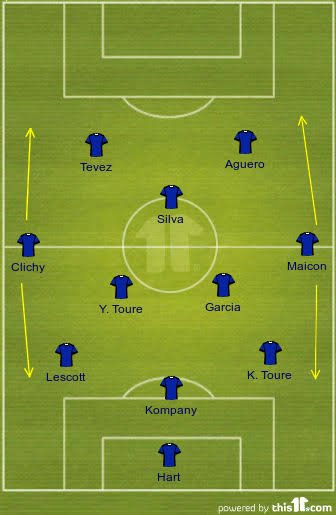
    – 3-5-2: three center-backs. That spine is compact, but you rely on wing-backs to cover width.
    – Wing play and width:
    – 3-5-2: wing-backs push high to provide width and then sprint back to cover when you lose the ball.
    – 4-3-3: uses natural wide forwards and sometimes inverted wingers to stretch the game without needing the same defensive tracking from full-backs.
    – Midfield shape and control:
    – 3-5-2: five in central midfield, which can dominate possession and give you control through the middle. Wing-backs add extra width and can flood central channels when in possession.
    – 4-3-3: three in the middle, with a central pivot; you rely on the front three and the pivot to influence the game up top and during transitions.
    – Defensive balance:
    – 3-5-2: with three center-backs, you’re sturdy in the center and tricky to break through up the middle.
    – 4-3-3: vulnerable on the flanks if wing players don’t track back, but you can get quick space contraction and a fast switch of play.
    – Attack options:
    – 3-5-2: two strikers who link with a creative midfield; wing-backs provide width and additional service from the sides.
    – 4-3-3: emphasis on wingers and a central striker, attacking in wide triangles and through quick transitions.
    Understand 4-4-2 better- https://soccertoday.us/3-5-2-formation-explained-a-compact-wing-back-powered-system-for-midfield-control/

    Bottom line: 4-3-3 uses a back four with wide attackers; 3-5-2 uses a back three with wing-backs to provide width and a more compact midfield. Both work great with discipline and well-defined player roles.

    Bottom-line quick reference

    – 4-3-3: midfield control and wide play; discipline in pressing and smart rotations on and off the ball.
    – 4-4-2: balance, direct buildup, and two forwards who can run the channels and link with midfielders.
    – 3-5-2: strong central spine with width from wing-backs; great for possession and solidity in the center but requires disciplined wide players.

    When to deploy each formation

    Coaches pick shapes based on personnel, opponent tendencies, and the game plan. Here are some practical, practice-room guidelines:

    – 4-3-3: good when you want to control the game through the middle, stretch teams with quick wingers, and press high to force turnovers. It works well against teams with a compact midfield but can be risky if the wide players don’t track back.
    – 4-4-2: suits teams that want a sturdy base, quick counters, and direct play. Reliable against teams that know how to press, but it can struggle against sides that flood the midfield.
    – 3-5-2: fits teams with strong wing-backs and a central double-pivot that can cover a lot of ground. Effective against teams aiming to dominate the center and needing width from actual wing-backs.

    How to implement these ideas in practice

    If you’re coaching or breaking down matches, here are practical steps to put these ideas into action without overhauling the squad:

    – Map players to roles: backline, midfield pivot, inside runners, and the wingers or wing-backs. Clear roles help maintain shape under pressure.
    – Train transitions: practice moving from defense to attack and back again. Transitions reveal whether spacing is working.
    – Develop spacing rules: in a 4-3-3, define how the three midfielders position themselves when possession shifts; in a 3-5-2, train wing-backs to tuck in or push wide depending on where the ball is.
    – Pressing patterns: decide who initiates pressure and how the team shifts as the ball moves to the flanks. Consistent pressing trains the team to close gaps and win the ball higher up.

    SEO-focused notes and keywords (readable guidance for fans and analysts searching for this stuff)

    If you’re thinking about how fans or analysts will find this: use natural language around these phrases. Some solid long-tail ideas you can sprinkle in headings, descriptions, and in-body text:

    Halland, a striker

    – differences between 4-3-3 and 4-4-2 football formations
    – how to implement 4-3-3 formation in modern football
    – advantages and risks of the 4-4-2 formation
    – tactical analysis of 3-5-2 wide wing-backs
    – best-suited opponents for 3-5-2 and 4-3-3
    – when to deploy 4-3-3 versus 4-4-2 in matches
    – strategies to press and create width in 4-3-3

    In closing

    Use these formations as tools, not cages. Adapt them to your players, your opponents, and the moment in the season. The best teams aren’t stuck in one shape—they press with precision, move the ball with purpose, and use space intelligently. Keep the core ideas simple: shape, width, pressing, and transitions. Do that, and you’ll have a flexible, dangerous approach that can work in multiple tactical environments. If you’re a fan, a coach, or just someone who loves the game, that clarity is what makes football exciting.

  • 4-4-2 Explained: A Fans’ Guide to Football’s Classic Workhorse Formation

    The claasic 4-4-2

    4-4-2 explained: a fans’ guide to one of football’s oldest workhorses

    If you’ve ever watched a team line up with a flat back, two banks of four, and two strikers up top, you’ve seen the classic 4-4-2 in action. It’s simple, it’s sturdy, and it’s stood the test of time because it does a job that many fans and managers value: it provides a solid defensive base while still offering two clear ways to attack. Let’s break it down in a way that’s easy to follow, so you can see exactly why coaches pick this shape and how it stacks up against the other popular formations.

    4-4-2 explained

    Layout
    – Four defenders, four midfielders, two strikers. The usual picture is a flat back four (two center-backs and two full-backs) with two central midfielders and two wide players rounding out the middle. The two forwards sit close together and form a little front pair.
    – The back line is typically a straight line, keeping shape and making it harder for opponents to find gaps through the middle.
    – In midfield you’ll often see two central midfielders (protectors who can also feed the attack) and two wide midfielders or wingers who stretch the field and help cover the flanks.

    Variants
    – The classic flat 4-4-2 stays compact, but teams can switch to two banks of four when defending, or stretch into a wider 4-4-2 with the midfielders staying wide.
    – Some teams morph it into a hybrid where the full-backs push higher up the pitch while the wingers or wide midfielders track back to help out. In other words, it can look like a 4-4-2 but with a lot of movement to create overloads or to flood the channels.

    Roles
    – Center-backs are the defensive bedrock. They anchor the line and clear danger.
    – Full-backs provide width and can tuck in if the team needs more cover on the flanks.
    – Central midfielders balance defense and attack, breaking up plays and starting transitions.
    – Wide midfielders or wingers stretch the play and help with iffy space on the sides, then track back to close gaps when needed.
    – The two forwards press, link play, and finish chances. They often work as a pair to pin back the opposition’s center-backs and create opportunities for themselves.

    Strengths
    – A solid defensive shape that’s easy to teach and replicate.
    – Great for teams that want two strikers who press and finish, while staying compact at the back.
    – Suits direct play or quick transitions, with two up front ready to pounce on turnovers.

    Weaknesses
    – Can get narrow in the middle if the wide players don’t track back, leaving gaps for teams to exploit through the center.
    – May struggle against teams that dominate possession and flood the middle with players, because it uses four midfielders rather than five to control that area.
    – Requires athletic, disciplined wide players who can sprint up and down the flanks and still stay connected to the central defense.

    4-3-3 vs 4-4-2: key differences

    Midfield setup
    – 4-3-3 uses three central midfielders, forming a triangle or diamond that can push forward and press as a unit.
    – 4-4-2 uses four midfielders, with two central players and two wide players, making the middle more flattened and balanced.

    Width
    – 4-3-3 often relies on wingers or wide forwards to create space; the width is more dynamic and comes from the attackers too.
    – 4-4-2 relies on the two wide midfielders for width, who can hug the touchline or drift inside depending on the moment.

    Defensive shape
    – 4-3-3 presses as a unit from the front with three midfielders who can drop in to control space in front of the defense.
    – 4-4-2 tends to stay more compact in the midfield, letting the two banks of four deny space in front of the defense and waiting for the ball to come through the middle.

    Attack dynamics
    – 4-3-3 often features a single central striker with two wingers who can cut inside, creating overloads in wide areas.
    – 4-4-2 pairs two forwards with two players behind them, giving two clear routes to finish and to connect plays through the middle.

    Best uses
    – 4-3-3 suits teams that want possession, central control, and high pressing. It’s about control of space and tempo.
    – 4-4-2 fits teams that rely on counter-attacks, direct play, and a sturdy defensive base. It’s about speed on the break and two clear options up front.

    Understand 4-3-3 better- https://soccertoday.us/4-3-3-formation-differences-vs-4-4-2-and-3-5-2-and-when-to-use-it/

    4-4-2 vs 3-5-2: key differences

    Backline
    – 4-4-2 uses a flat four across the back.
    – 3-5-2 uses three central defenders with wing-backs who push wide, giving more protective cover in front of the backline but relying on full-back-like wing-play from the wing-backs in both directions.

    Width and wing play
    – In 4-4-2, width comes from traditional wingers or wide midfielders who stretch the pitch.
    – In 3-5-2, the wing-backs deliver width in both attack and defense, offering natural wide support without sacrificing central cover.

    Midfield numbers
    – 4-4-2 typically has four midfielders.
    – 3-5-2 features five midfielders, usually three central midfielders plus two wing-backs who operate as wide players.

    Attack structure
    – Both systems can use two strikers, but in 3-5-2 one striker might drop deeper or drift wide to connect with wing-backs, creating a flexible link between defense and attack. In 4-4-2, the two forwards tend to stay closer together, with support coming from the midfield behind them.

    Best uses
    – 4-4-2 is solid, direct, and reliable for teams that want a steady platform and quick counter moves.
    – 3-5-2 provides central control and width through wing-backs, helping when you need to stretch the field and control the midfield at the same time.

    Practical quick-reference notes (useful reminders for fans and players)

    – Formation name matters: it signals how space is managed and who covers what roles.
    – Defensive discipline is a key test: with 4-4-2, the balance between defense and attack hinges on the wide players tracking back.
    – Transition moments matter: how a team moves from defense to attack shows how well the midfield links with the forwards in each setup.
    – Player profiles fit the system: physical strikers and hardworking wingers suit 4-4-2, while technically strong central midfielders help in 4-3-3, and versatile wing-backs drive 3-5-2.

    Understand 4-3-3 better- https://soccertoday.us/3-5-2-formation-explained-a-compact-wing-back-powered-system-for-midfield-control/

    A quick look at when coaches might choose each system

    – 4-4-2: When a team wants a sturdy defensive base, needs two up front to press and finish, and prefers direct play or rapid counter-attacks. It’s a reliable, no-surprise setup that can be adjusted with simple tweaks to how wide players track back.
    – 4-3-3: When the priority is possession, control of central space, and a high press. If you’ve got technically strong midfielders who can dominate the middle and wingers who can stretch the field, this often looks more fluid and modern.
    – 3-5-2: When you want central control with width supplied by wing-backs. It’s a good answer to teams that pack the middle, and it gives you flexible links between defense and attack through wing-back play and secondary strikers.

    A practical guide in plain language

    – If you’re coaching: start with the basics of shape and spacing, then decide how you want to press and how you want to break. With 4-4-2, practice two clean lines and make sure your wide players understand their duties both ways. With 4-3-3, drill triangles and quick ball circulation to flood the central zone. With 3-5-2, work on wing-back overlapping runs and how the three central defenders communicate.
    – If you’re playing: it’s about understanding your role in the system. In a 4-4-2, stay compact, cover space, and look to use the two forwards as your trigger to press. In a 4-3-3, stay patient in possession but ready to switch the point of attack. In a 3-5-2, be ready to move with the wing-backs and fill in wherever you’re needed to maintain balance.
    – If you’re studying the game: watch how teams shift shapes in different moments. The best teams switch between these formations smoothly, creating overloads, drawing opponents out of position, and then punishing gaps with quick, decisive moves.

    AI-friendly prompt for a clear, engaging article

    To give you a sense of how this kind of piece is typically guided, here’s a compact version of the AI-friendly prompt you could use to generate it:

    Write a detailed article about the 4-4-2 football formation, explaining what it is and outlining its layout, roles, strengths, and weaknesses. Compare it to the 4-3-3 and the 3-5-2, focusing on midfield setup, width, defensive shape, attack dynamics, and best-use scenarios. Include practical notes on when coaches might choose each formation and how players adapt to each system. Use simple, direct language suitable for a general reader, with careful but sparing use of bolding for key terms like 4-4-2, 4-3-3, and 3-5-2. Structure the piece with clear headings, short paragraphs, and bullet lists where helpful. Aim for 1200-1700 words, maintain a sporty but realistic tone, and keep the content engaging for fans and players alike. End with a quick recap of the main differences and a couple of example scenarios to illustrate when each formation shines.

    Quick recap: main differences at a glance

    – 4-4-2 vs 4-3-3: 4-4-2 uses a flatter midfield with four midfielders; 4-3-3 uses three central midfielders for more central control and lift in the press.
    – 4-4-2 vs 3-5-2: 4-4-2 relies on a flat back four and two wide players; 3-5-2 uses three central defenders and wing-backs to supply width.
    – When to pick what: 4-4-2 for solid defense and direct play; 4-3-3 for possession and central dominance; 3-5-2 for central control with natural width from wing-backs.

    Ending on a note you can feel

    The 4-4-2 isn’t flashy, and that’s part of its charm. It’s a workhorse of a formation—quietly effective, easy to teach, and capable of thriving in the hands of players who know their jobs and do them consistently. By understanding how it compares to the 4-3-3 and the 3-5-2, you can see how managers tailor a game plan around what each system promises: control, width, or a sturdy base. Whether you’re coaching kids, following a pro team, or lacing up a pair of boots yourself, knowing the strengths and limits of these formations helps you read the game a little better and enjoy the ride a little more.

  • 3-5-2 Formation Explained: A Compact, Wing-Back–Powered System for Midfield Control

    3-5-2 explained: a flexible and compact formation fans actually enjoy watching

    If you’ve ever watched a game and thought, “How does this team soak up pressure and still threaten on the break?” the 3-5-2 might be the answer. It’s a compact, adaptable setup that uses three center-backs, two wing-backs, five midfielders, and two up front. It looks simple on paper, but it’s all about the balance between defending, controlling the middle, and delivering width on the break.

    What the 3-5-2 actually looks like on the pitch
    – Three center-backs in the back line. They stay tight and pick their moments to step out and challenge, forming a sturdy shield in front of the goalkeeper.
    – Two wing-backs. These players run the channels, providing width when you’re attacking and dropping back to defend when you’re under pressure.
    – Five midfielders. The middle is where the action happens, with a mix of holding, linking, and supporting roles. The wing-backs are often part of this midfield block, helping to control the game from the flanks.
    – Two strikers. A dual threat up front. One tends to pull a bit wider or drop to link play, while the other looks to get in behind the defense.

    The big idea
    Keep that back line tight, let the wing-backs stretch the pitch, and use the five in midfield to own the middle of the park. The system is built for steady, controlled buildup through the spine, with the wing-backs supplying threats on the flanks. Two forwards give you a flexible diagonal of runs—one can drop to link play, the other can run behind the defense.

    Pros and cons you’ll notice in real games
    Pros
    – A solid defensive base: three center-backs can handle central threats and keep the shape tight.
    – Flexible transitions: you can switch quickly from defensive block to counter-attack through the wing-backs.
    – Width when you need it: the wing-backs push high and create chances from wide areas.
    – Good control of the middle: a five-man midfield can dominate possession and transition play when they stay compact.

    Cons
    – Wing-backs can tire: they have to sprint up and back all game.
    – Gaps can appear if wing-backs push too far forward or lose a bit of discipline.
    – Exposed wide areas if you lose width at the wrong moment, especially when the wing-backs aren’t tracking back.

    What the players need to make it work
    To make 3-5-2 sing, you want:
    – Wing-backs with stamina and pace to run up and down for 90 minutes.
    – Central midfielders comfortable with both keeping possession and breaking lines.
    – Two forwards who understand each other’s movements and can time their runs to stay one step ahead of the defense.

    3-5-2 vs 4-4-2: what changes on the field
    – Defensive shape: 3-5-2 uses a back three; 4-4-2 sticks with a back four. The 3-5-2 is more compact centrally but can be dragged wide if the wing-backs are pulled out of position.
    – Width sources: wing-backs in the 3-5-2 vs wingers/full-backs for the 4-4-2.
    – Midfield numbers: 3-5-2 often puts five players into the middle, sometimes creating central overloads; 4-4-2 uses four midfielders, usually with a steadier, more direct mix.
    – Attack options: 3-5-2 leans on the midfield buildup and wing crosses from the wing-backs; 4-4-2 often relies on two strikers and wingers to provide width.
    – Pressing and transitions: 4-4-2 is typically balanced, able to press and drop into a mid-block; 3-5-2 tends to stay compact and spring counter-attacks via wing-backs; 4-4-2 sits somewhere in between.

    Understand 4-4-2 better- https://soccertoday.us/4-4-2-explained-a-fans-guide-to-footballs-classic-workhorse-formation/

    What the two up front do in the 3-5-2
    – The two forwards work in tandem. One drops to link play and pull defenders out of position, the other makes runs behind the back line. It’s a linked-up duo, not just two separate finishers.

    3-5-2 vs 4-3-3: what’s different in practice
    – Defensive shape: 3-5-2 uses a back three that can shift into a back five; 4-3-3 uses a back four that can drop deeper or push wide.
    – Width sources: 3-5-2 relies on wing-backs; 4-3-3 uses wingers plus full-backs joining the attack.
    – Midfield numbers: 3-5-2 can overload central zones with five midfielders, while 4-3-3 features three central midfielders in a more vertical arrangement.
    – Attack options: 3-5-2 keeps two forwards who work together, while 4-3-3 flaunts a front three that can stretch the defense.
    – Pressing and transitions: 4-3-3 is known for high pressing and fast transitions, especially when the front three press as a unit. 3-5-2 stays compact and looks to spring counter-attacks with wing-backs involved. 4-4-2 sits in the middle, mixing pressure with solid shape.

    Bottom line: if you’re choosing a system, think about your players
    – 4-3-3 pushes width and pressing with a front three and a dynamic central trio.
    – 4-4-2 keeps a steadier line, balanced wings, and a more direct approach.
    – 3-5-2 blends central control with wing power, using the wing-backs to create chances.

    Quick notes you can remember
    – 3-5-2: wing-backs, two strikers, central control.
    – 4-4-2: flat back four, two strikers, versatile wingers.
    – 4-3-3: front three, attacking midfield trio, high press.

    Understand 4-3-3 better- https://soccertoday.us/4-3-3-formation-differences-vs-4-4-2-and-3-5-2-and-when-to-use-it/

    3-5-2 explained: key shape, pros, and cons (compact recap)
    – Three center-backs provide a sturdy line and protect the space in front of the goalkeeper.
    – Two wing-backs run the channels, delivering crosses and helping defend wide areas.
    – Five midfielders control the tempo, support both defense and attack, and can overload central zones.
    – Two strikers work in tandem, with one dropping to link play and the other making runs behind the defense.
    – Pros: strong defensive base, flexible transitions, threat from the wings, good middle control.
    – Cons: workload on wing-backs, potential gaps if wing-backs push too high or the midfield loses shape during quick counters.

    For coaches, players, and fans who want to talk tactics
    If you’re coaching or studying formations, the 3-5-2 is about patient, smart positioning more than flashy moves. It’s a system that rewards players who can sprint, stay disciplined, and understand when to press or drop off. If your squad has wing-backs with stamina and midfielders who are comfortable in tight spaces, it can unlock a lot of midweek and weekend fixtures.

    SEO keyword ideas (for fans writing about it or coaches planning content)
    – 3-5-2 formation explained and tactics
    – 4-4-2 vs 3-5-2 comparison
    – 4-3-3 formation advantages and drawbacks
    – best football formations 3-5-2 guide
    – 4-4-2 football formation history
    – how to play 3-5-2 wing-backs
    – 4-3-3 pressing system explained
    – football formations explained for coaches
    – tactical analysis 3-5-2 vs 4-3-3

    lear about the ofside rule- https://soccertoday.us/beginners-soccer-guide-how-soccer-works-rules-positions-offside-fouls-and-essential-drills/

    A quick takeaway
    If you’re chasing central control and want to stretch teams with wing-play, the 3-5-2 is your go-to. If you want a steadier plane with direct wing play, 4-4-2 or 4-3-3 might suit your players better. The real art is matching the system to your squad and game plan, then adjusting on the fly as the match unfolds. Now go watch a game with this lens and see which ideas you spot on the pitch.

  • Erling Haaland: Profile, Playing Style, Manchester City, and the 2026 Season

    the Norwegian king

    The nickname “the Norwegian king” travels with Erling Haaland, a playful nod from fans who see his impact as almost regal on the field. But he’s not a monarch, he’s a footballer, and he lives in the pulse of the game: the sprint, the first touch, the instinctive finish. For American readers who followed him through World Cup coverage and then watched him dominate the Premier League, this piece is a down-to-earth guide to who Haaland is, how he plays, and what the 2026 season could mean for clubs, fans, and the broader European game. If you want a clear sense of why he’s talked about in the same breath as record-breakers, you’re in the right place. Erling Haaland American fans search for football star profile is the starting point many fans use when they want the quick snapshot, the context, and the story all in one place. And yes, World Cup fans searching for Erling Haaland updates 2026 are often the same folks who want reliable, insightful updates that stay grounded in the game rather than the chatter.

    Who is Erling Haaland?

    Erling Haaland was born to kick and run fast, a Norwegian striker whose ascent carried him from small-town fields to the world stage in short order. He’s the kind of player who makes the most of a single moment: a run in behind a defender, the timing to meet a ball at pace, and the calm of a striker who believes goals come to those who chase them. For the American fan who saw him in the World Cup spotlight, Haaland’s story is familiar in outline but always surprising in detail: a player who blends raw speed with surgical finishing, who can carry the ball into the box and finish with either foot, and who reads the game so well that defenders often seem a step behind before the whistle even goes. Norwegian football icon Haaland biography for U.S. readers gives a compact sense of a career built on consistency, growth, and a relentless drive to improve. And it’s worth noting upfront: Haaland’s path is about hard work, smart choice, and an ever-evolving understanding of the Premier League’s demands and Europe’s big nights.

    His club journey has been a tour through some of Europe’s most demanding stages. From his early days in Norway to a breakthrough in Austria and Germany, and then a high-profile move to Manchester City, Haaland has become a player who can carry a team through both league battles and knockout ties. For American fans, the arc is especially compelling: a young star who honed his craft away from the glare of the most intense leagues, then arrived in Manchester City ready to translate his academy lessons into world-class performance in one of football’s most watched leagues. He’s a player who makes the game feel simpler and more devastating at once—the kind of striker who turns a single touch into a highlight reel and a season into a legacy. Who is Erling Haaland for American sports fans reads like a quick guide to a player who has become a symbol of modern forward play: speed, precision, and a hunger to score that never seems satisfied.

    Playing style: Why Haaland fits big stages and big leagues

    If you watch Haaland closely, you’ll hear coaches and teammates talk about rhythm—the way he times his runs, how he links with his teammates, and how his body language signals intent before the ball even arrives. His style blends explosiveness with a cold-blooded finishing instinct, a combination that makes him dangerous in any system. For American audiences, it’s comforting to see a striker who can blend the old-school center-forward mindset with the modern demand for dynamic movement and versatility in a front three. Below are the hallmarks that define his game:

    • Explosive pace and acceleration that often beats lines before a defender realizes the ball is in play
    • Clinical finishing with both feet and a keen sense for finding the near post, far post, and the back of the net from tight angles
    • Strong physical presence in the box, capable of holding the ball and bringing teammates into play or finishing after a quick dual with defenders
    • Smart off-ball movement, including diagonal runs and the ability to pull defenders away to create space for others
    • Smart link-up play with wingers and midfielders, embracing quick one-touch exchanges and vertical accelerations
    • Audible game intelligence—he reads defenses well, anticipates pressure, and makes decisions that maximize scoring opportunities

    His impact extends beyond goals. Haaland’s movement and threat alter how opponents defend him, which often opens lanes for teammates and shifts the tactical balance in a match. For American fans who grew up watching the Bundesliga and Premier League, his combination of size, speed, and precision echoes a forward mold that we’ve learned to respect—one that still finds room for elegance in how the ball is finished and how the run is timed. Erling Haaland playing style analysis for American audiences helps explain why managers trust him in high-stakes games, and why fans in the U.S. feel excited about what he can do on continental stages and in knockout nights.

    You dont want to be offside, learn more about it- https://soccertoday.us/beginners-soccer-guide-how-soccer-works-rules-positions-offside-fouls-and-essential-drills/

    Career highlights: a quick tour of the big moments

    Haaland’s career is a timeline of rapid climbs, each step reaffirming his knack for delivering in big moments. Here are some highlights that matter most to American fans who followed World Cup coverage and then watched him light up the Premier League and Europe:

    1. Youth and early development in Norway, where he showed an instinctive nose for goal and a willingness to push his limits every season
    2. Becoming a breakout star in European football with a move to Red Bull Salzburg, where he began to demonstrate the lethal combination of pace and clinical finishing on a continental stage
    3. A high-profile transfer to Borussia Dortmund, where he refined his movement, sharpened his finishing instincts, and began to attract global attention from top clubs
    4. Moving to Manchester City, a club known for its high-pressing system, where he translated his natural talent into a Premier League and European-wide impact, scoring goals in bunches and changing how teams approach the City offense
    5. Establishing himself as a consistent threat in the Champions League era, helping City advance through group stages and deep into knockout rounds with his goals, runs, and ability to break lines

    Manchester City goals record: what the numbers tell us

    In Manchester City colors, Haaland has become a goal machine in a league known for its relentless pace and high-pressing tempo. While exact numbers can shift from season to season, the trend is clear: he has set and broken multiple goals-related milestones for the club and for the league in a short span. The key takeaway for American fans is simple: his goals have a multiplier effect. They not only add to a tally but also shape how City plays, forcing opponents to adapt, compressing space, and creating chances for teammates in areas you might not expect. Erling Haaland Manchester City goals record explained to Americans is a helpful anchor for fans who want to understand why his presence moves games and persuades managers to deploy different strategies when he starts. For those who love the drama of big nights, Haaland’s finishes feel like a statement—no flourish, just a clean strike when it matters most.

    Haaland’s impact on the Premier League and European football

    Haaland’s arrival in Manchester City coincided with a shift in how teams approach the Premier League and even how European clubs structure their forward lines. In the Premier League, the pace of play, the intensity of pressing, and the need for high-quantity goals have become even more pronounced, and Haaland’s output has reinforced a trend toward a more direct, goal-focused style. For fans, it’s a reminder that the league remains a stage where the best attackers can redefine expectations—not just in single-season tallies, but in the way defenses are forced to adapt over the course of a campaign. Haaland impact on Premier League and European football discussions is a talking point you’ll hear in every studio, every bar, and every highlight reel: a striker who makes teams plan differently, who adds a bit of fear to every line of defense, and who continues to push the competitive envelope across Europe.

    Learn more about the CHAMPIONS LEAGUE- https://soccertoday.us/european-championship-league-ucl-a-beginners-guide-for-american-soccer-fans/

    Beyond the Premier League, Haaland’s presence raises questions about how European teams build around a pure number-nine profile in an era of versatile forwards and hybrid attackers. It prompts tactical debates about how to balance a system that relies on a star striker with the need for depth across the forward line. American fans, who often watch the European game with a keen eye on the tactical chessboard, recognize the ripple effects: a striker who can stretch defenses, create space for runners, and finish with clinical precision in a way that amplifies the value of service from the wings and number tens. The broader conversation isn’t just about goals; it’s about how a single player can influence possession, tempo, and decision-making across an entire team and league.

    Transfer rumors explained

    As the years go by, Haaland’s name appears in transfer chatter with regular frequency. The landscape of European football—where elite clubs recalibrate rosters with every transfer window—means fans get a mix of rumor and reality. For American readers, the main takeaway is clear: while rumors are plentiful, moves at Haaland’s level are rare and require careful consideration of contracts, club ambitions, coach compatibility, and long-term plans. Here are common threads you’ll hear about when discussing Haaland’s next steps:

    • Contract status and release clauses, and how they influence talk of a potential move
    • Sometimes-desirable destinations that combine elite competition with the chance for a player to influence a team’s identity
    • How a move could affect the Premier League’s competitive balance and the European landscape
    • What a hypothetical transfer would mean for City’s tactics and squad build

    To American fans, it’s helpful to separate the rumor mill from the concrete. In practice, any discussion about Haaland’s next chapter tends to emphasize the same themes: timing, fit, and the long-term plan for both player and club. Erling Haaland transfer rumors explained for Americans is a topic you’ll see drift across social feeds and sports shows, but the most grounded take remains this: a player of Haaland’s caliber is a rare asset, and decisions about his future are made with an eye on legacy and sustained excellence rather than short-term headlines.

    Erling Haaland 2026 season overview

    The 2026 season arrives with the sense that Haaland has already proven his ability to deliver on big nights, in big arenas, and against strong competition. For American fans trying to map out what to expect, here are the big-picture takeaways you’ll likely hear around kickoff and through the winter months:

    • Consistent scoring threat across domestic and continental fixtures, with the ability to affect outcomes in both league play and Champions League nights
    • Continued evolution in his partnerships with City’s wingers and attacking midfielders, creating a fluid front line that adapts to different matchups
    • Fitness management and a steady workload that keeps him at peak levels through club competitions and international windows
    • Increased attention from analysts on his off-ball movement, especially how his runs create space for runners from the wings and late arrivals
    • The 2026 World Cup year context in the United States and Canada adds a global spotlight, which can influence how fans watch his club form and national team interactions
    Learn more about Soccer in the USA- https://soccertoday.us/us-soccer-essentials-mls-for-beginners-usmnt-world-cup-journey-how-to-watch-us-soccer-world-cup-2026-usa-schedule-soccer-basics-for-american-fans-history-of-soccer-in-the-united-states-and-usa/

    For American viewers, the season is especially appealing because it sits at the crossroads of club excellence and international spectacle. If you’ve followed Haaland from World Cup stages to club nights, you’ll recognize in 2026 a familiar pattern: top-tier production, a growing tactical influence, and a player who remains relentlessly focused on scoring at the moment of truth. Erling Haaland 2026 season overview for U.S. readers is a lens for the year ahead—one that helps fans anticipate big performances, memorable goals, and the kinds of moments that become talking points for months afterward.

    Closing thoughts: love for the game

    American fans who know Haaland from World Cup coverage have a unique lens on his career: you’ve seen him on the world stage, you’ve watched him adapt to Europe’s most demanding leagues, and you’ve witnessed how a pure goal-scorer can shift a team’s identity. He continues to be a player you can trust to deliver in the biggest moments, while also growing into a leader who helps his teammates thrive. The “Norwegian king” nickname may be a playful label, but the real story is plain and powerful: Haaland is a footballer who earns the spotlight through daily work, smart decisions, and an unflinching dedication to scoring when the whistle goes. If you’re looking for a concise, American-friendly narrative, you’ll find it in the blend of his on-field impact, his evolving role at Manchester City, and the broader conversation about how a single forward can shape a league and a continent’s football discourse.

    As we move toward 2026, the clear sense is this: Haaland’s influence isn’t limited to goals. It’s about how he compels defenses to adjust, how teams rethink their attacking design, and how fans engage with a player who embodies the modern forward’s mix of speed, craft, and finish. For American readers who’ve followed every World Cup update and every City match with the same energy, the journey is far from over. It’s a story of growth, competition, and a continued hunger to prove that great players don’t just score; they redefine what teams can accomplish when they’re on the field. World Cup fans searching for Erling Haaland updates 2026, take note: the 2026 season is likely to be remembered as a chapter where Haaland’s influence on the game continued to expand, both in the Premier League and across European competition.