Hey there, welcome to the world of soccer in the United States. If you’ve fallen in love with the game and mainly know the World Cup, you’re in the right place. This guide talks to you straight—easy to read, real-world examples, and something you can actually use week in and week out. Let’s dive in.
US Soccer News
If you’re trying to stay in the loop without getting lost in the jargon, here’s what to keep an eye on:
– New player pools and call-ups from the USMNT and USWNT. A quick way to spot the next breakout star.
– Changes in youth development, academies, and youth national teams. These moves shape who makes the jump to the big teams.
– MLS and lower divisions: transfers, designations, and big moves that could change the vibes around clubs.
– Important matches and friendlies that show how teams are building toward big tournaments.
Where to get reliable, fan-friendly coverage? Start with official US Soccer sources, plus big sports networks and team pages. The key for a new fan is watching how players move the ball, how coaches set up lineups, and how teams respond in clutch moments. A little news today can set you up for a big win tomorrow.
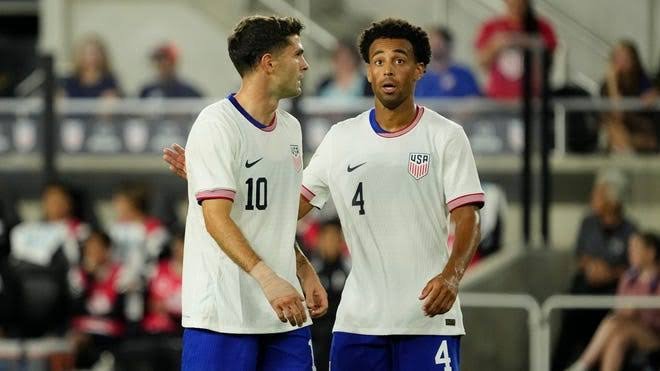
Watch for players who can break through in big games and pay attention to how the team sets up tactically—defensive compactness vs. pushing numbers forward. The World Cup is the best stage to see the national team in high-stakes, global moments and a great way to learn the sport at the highest level.
How to Watch US Soccer
Watching these games should be enjoyable, not confusing. Here’s a simple map:
– TV: Big matches often air on Fox or Telemundo in the U.S. Women’s games tend to show up in a broader broadcast lineup too.
– Streaming: Services like YouTube TV, FuboTV, and other sports platforms carry many games. MLS sometimes has its own streaming options as well.
– On-demand and highlights: Missed a match? Official team pages and league channels post quick highlights and recaps.
– Getting started: Pick one game a week (or a big national team matchup) and follow the pre-game hype, lineup, and post-game analysis to learn the lingo—formations, substitutions, pressing, and counter-attacks.
Pro tip: watch with friends or family. It’s a lot easier to learn when you can ask questions live and hear explanations in real time.
MLS Explained for Beginners
MLS is the pro league in the U.S. and Canada, and it’s pretty beginner-friendly. Here’s the easy breakdown:
– Teams: A bunch of clubs across the U.S. and Canada, playing a spring-to-fall schedule at home stadiums, with playoffs to crown the champion (MLS Cup).
– Season structure: Regular season decides who makes the playoffs; postseason decides the champion.
– Roster rules: There’s a salary cap and Designated Player slots that let teams sign big-name stars who can boost both performance and audience.
– Youth path: Lots of MLS teams run academies, giving talented kids a path to pro soccer right here at home.
– How to watch: National packages, local broadcasts, and streaming options make it simple to catch games.
MLS is full of energy and a blend of homegrown talent with international stars. It’s a great place to start watching regularly, learn about formations, and see clubs grow over a season.

Soccer Basics for American Fans
If you’re getting started, here are the core ideas in plain terms:
– Objective: Score more goals than your opponent in 90 minutes (plus stoppage time).
– Structure: Two halves, 45 minutes each, with a halftime break.
– Positions: Goalkeeper, defenders, midfielders, and forwards—each with a job to do.
– Rules to know: Offside (a player can’t be ahead of the last defender when a pass is played), fouls (free kicks), corners, penalties, and substitutions.
– Common tactics: Formations like 4-3-3 or 4-2-3-1 balance defense and attack. Teams press high or sit back depending on the game plan.
– What to watch: Notice off-ball movement, pressing after losing the ball, and how teams transition from defense to attack.
Don’t stress memorizing every rule at once. Pick a few players you like, watch their positions, and learn the terms as you see them in games and highlights.
History of Soccer in the United States
Here’s the short arc you’ll want as a new fan:
– Early days: Soccer came with immigrants and clubs in the late 1800s and early 1900s but stayed in the background compared to baseball and football for a long time.
– Federation and World Cup era: The US Soccer Federation helped organize the sport, and the national team started showing up more in World Cup events.
– MLS era: MLS (founded in 1996) gave the country a stable pro platform, boosting youth development and giving players a clearer path to pro soccer.
– Growth and youth development: In the past two decades, more schools, clubs, and academies have raised the level of play and interest.
Today, soccer is a big part of American sports culture. National teams, MLS, and a growing grassroots scene mean more kids growing up loving the game and dreaming big. It’s all fueling bigger crowds, stronger broadcasts, and more chances for fans like you to enjoy the sport.

USA Women’s National Team and the World Cup
The USWNT has been a global powerhouse for decades. Here’s the essence you should know:
– World Cup champions: The USWNT has won the World Cup (1991, 1999, 2015, 2019). Those wins boosted the sport and youth participation across the country.
– Global influence: The team pushed for better pay and professional opportunities and helped drive conversations about equality in sports.
– Current stars and legacy: The program keeps producing standout players and legends who inspire the next generation.
– What to watch: Women’s World Cup matches are fast, technical, and team-driven—great for picking up pace, technique, and teamwork early on.
As a new fan, you’ll notice how the USWNT’s discipline, teamwork, and fearless attacking style has helped shape women’s soccer worldwide and left a lasting impact on American sports culture.
In short, American soccer is bigger and more welcoming than ever. You don’t need to be an expert to enjoy a game, learn a few terms, or follow a couple of teams closely. Whether you’re watching a World Cup showdown, an MLS regular-season match, or a friendly between rivals, you’re part of a growing community that loves fast action, smart tactics, and the thrill of a late winner. Welcome to the ride—and may your next kick be a great one.
Leave a Reply