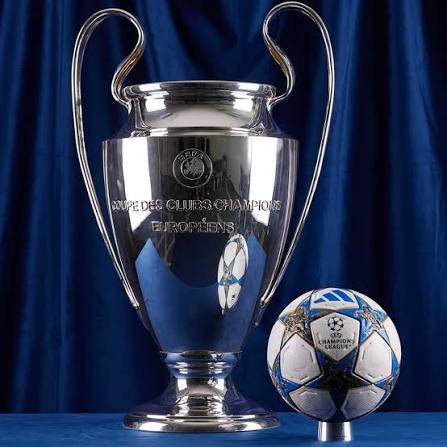
Cheers, American fans. If you’ve been hooked by the World Cup, the UEFA Champions League is the next big stage where club stars chase glory week after week. The 2026/27 season promises drama, atmosphere, and plenty of questions about which teams can sustain their form across group play and the knockout rounds. This is your friendly, expert guide to what could unfold, written in a way that feels like you’re chatting with a knowledgeable friend at the tailgate about your favorite clubs and players.
Prediction (speculative preview for 2026/27 UEFA Champions League)
Let’s map the landscape without pretending certainty. The title contenders will likely be those with a proven blend of depth, European experience, and the ability to rotate without losing balance. If you’re thinking in headlines, the front runners are the usual suspects who already know how to survive the long, grindy road of the knockout phase. Expect the typical powerhouses to feel the pressure—and to respond with resilience when it matters most.
Group-stage dynamics could feature a handful of shocks as managers test new players and systems. Think some familiar clubs cruising in comfortable fashion, others navigating a tougher road but showing late-season growth. And when the knockout rounds arrive, expect a mix of high-octane attacking football and tight, tactical chess matches. Home atmosphere, away form, and standout sides stepping up on a bigger stage will all shape the narrative. In short: it should feel both familiar and fresh, with a few surprise results stirring talk from September through May.
- Predicted title race dynamics: a balance between clinical top-tier teams and those who master European nights with tactical tweaks and key squad depth.
- Knockout-stage trends: two-legged ties still offering drama, with certain teams exploiting rotations to peak in decisive legs.
- Group-stage shocks: a few groups where under-the-radar sides push toward the knockout rounds, setting up interesting matchups in February.
For the World Cup-connected fan, the format will feel familiar in its urgency: 32 teams, six group games per club, with the top two advancing to a knockout bracket that culminates in a final at a neutral venue. The rhythm of wins, draws, and late goals is the same, just at a higher tempo and with more at stake than domestic league play. As you watch, remember: every group game is a doorway to the next round, and every knockout tie is a mini‑final in itself.
Favorites
Who should you keep an eye on as the season unfolds? The obvious candidates are the clubs that win more often than not when the lights are brighter. Real Madrid, Manchester City, Bayern Munich, Barcelona, and Paris Saint‑Germain sit at the top of the stack this season, with Real Madrid and Manchester City often forming the ceiling for expectations. Add Bayern’s relentless standards, Barca’s poise after a rebuilding phase, and PSG’s star power, and you’ve got a quartet capable of shaping the knockout stage narrative. Chelsea and Liverpool are also consistently in the mix, depending on how their squads evolve and stay healthy.
- Real Madrid — the template for consistency in Europe: depth, a proven system, and a knack for turning big nights into tangible results. Their experience in high-pressure fixtures tends to translate well into the later rounds.
- Manchester City — a blend of relentless pressing, patient possession, and a forward line capable of breaking defenses in multiple ways. Injuries or fatigue can challenge them, but their top-tier mentality is a differentiator.
- Bayern Munich — depth in midfield and a history of raising performance on the continent. They’ll rely on strong transitions and their ability to punch through compact defenses with quick buildups.
- Barcelona — a revival narrative with a youthful, dynamic attack and more balance than in recent campaigns. If their midfield and defense hold up, they’re dangerous in knockout ties.
- PSG — individual brilliance plus enough cohesion to threaten in Europe’s most important rounds. Their ceiling is high, but consistency will be the key question.
- Chelsea and Liverpool
- —as consistent European contenders, their campaigns hinge on how well they integrate new signings, maintain squad balance, and manage the fixture load.
In the context of the “UEFA Champions League 2026/27 preview for American fans,” these clubs represent the best infantry for a long campaign. The real joy comes from watching how they adapt to group stage pressure, then translate that form into knockout intensity.
Underdogs
Every season has a few clubs that defy expectations for a match or two, and sometimes longer. The 2026/27 field should feature a handful of teams capable of springing credible shocks in groups or knockout rounds—teams that can punch above their weight with clever tactics, disciplined defense, or a moment of individual brilliance.
- Sevilla — European nights are in their DNA. If their veterans stay sharp and their counter-press holds up, they can threaten in tight group fixtures and make a run in the knockout stage’s tougher ties.
- RB Salzburg — known for high-press, high-intensity football that can unsettle bigger sides in a one-off game or two-legged ties, especially in the group stage where energy matters.
- Ajax — a club with a strong academy and experience in Europa’s top field. They can outplay teams with organization and a willingness to take risks in the right moments.
- Rangers — home advantage and a disciplined, direct approach can produce surprising results, especially in a group that tests their cohesion and resilience.
- Porto and Villarreal — traditional European threats, capable of leveraging experienced backlines and fast transitions to complicate big opponents in knockout legs.
- Shakhtar Donetsk — footballing resilience and a knack for exploiting spaces behind aggressive presses can surprise in a difficult group and in late rounds.
What could unlock their runs? A smart rotation plan, a standout night from a veteran defender or goalkeeper, or a forward line that clicks in big moments. They won’t always win the group, but they can make a knockout round feel unpredictable in a good way for American fans following along with the season.
American players to watch in Champions League 2026/27
American talent continues to populate Europe’s biggest stage, and 2026/27 could be a banner year for several players who are already on the rise or poised to break out. Here’s a snapshot of who to watch and what roles they could play for their clubs:
- Christian Pulisic — a proven game-changer when fit, Pulisic’s pace and ability to threaten from wide or inverted positions give him a flexible role. He could feature as a primary winger or as a dynamic inside forward for a top European club, providing goals and assists in key group fixtures and late knockout legs. Pulisic in Champions League 2026/27 potential clubs could include moves within the Premier League or La Liga, depending on where he lands in the transfer window.
- Gio Reyna — Reina’s creative spark and vision make him a prime candidate to pull strings in the middle of the park. Expect him to drive progression, unlock compact defenses, and contribute crucial assists in pivotal ties. Gio Reyna and McKennie 2026/27 Champions League prospects lean toward a club where he can play key minutes and influence games with his passing range.
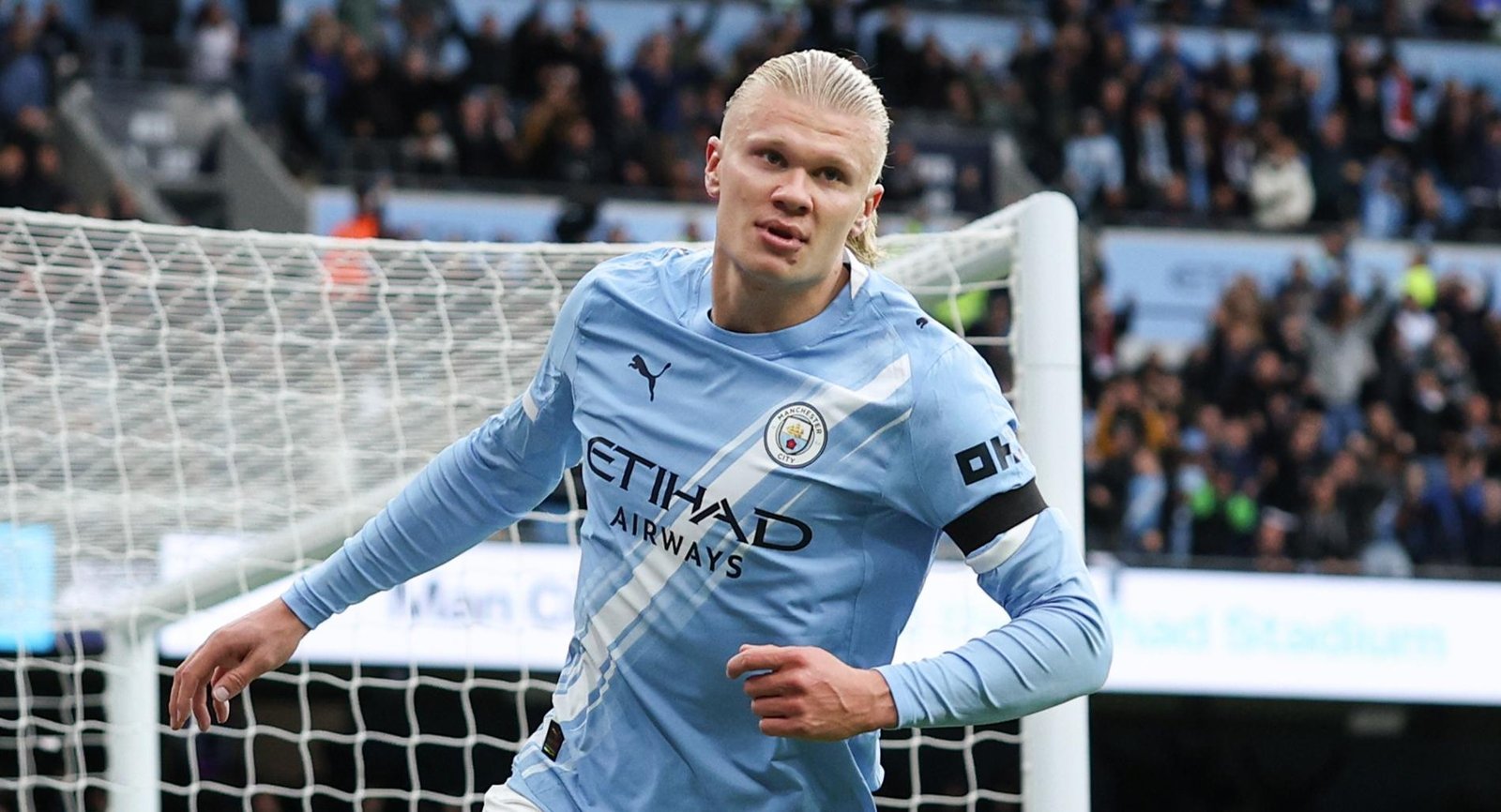
- Weston McKennie — a box-to-box presence who can screen the defense, advance into dangerous zones, and help control tempo in midfield. He could anchor a midfield unit for a top-tier club, especially in big knockout fixtures.
- Brenden Aaronson — a fearless processor with pressure-resistant ball handling; his energy and willingness to press could make him a reliable outlet in attacking transitions and a high-pressing setup.
- Tyler Adams — a defensive midfielder with leadership and work rate. If deployed as the anchor of a midfield spine, he can stabilize games and help teams survive tough European ropes in the knockout rounds.
- Yunus Musah — versatile in the middle, able to cover multiple roles from pivot to higher lines. His speed and tactical awareness could make him a starter for a club that emphasizes dynamic buildup and quick transitions.
MLS players entering Champions League 2026/27 watchlist — expect a few MLS stars to be involved in UCL campaigns through loans or permanent moves. Their presence often brings a blend of physical intensity and a direct style that can fit well with European systems, especially in teams dialed into high-pressing play.
Top narrative threads
Beyond Xs and Os, what will drive the season’s storytelling? Here are the threads that could shape the overall arc and give American fans a lot to discuss:
- Star power vs. tactical evolution — the balance between individual brilliance and team-level systems will define how teams win in Europe’s late rounds.
- Injuries and squad depth — a persistent challenge in a long season; teams with flexible rosters and high-quality third options will have the edge late in the knockout rounds.
- Transfers and signings — a handful of smart acquisitions could instantly reshape a club’s ceiling, especially as teams adapt to new managers and tactical ideas.
- American players’ impact — watching Pulisic, Reyna, McKennie, Aaronson, Adams, and Musah in big European nights will add a familiar touch for US fans, and their success could influence how American fans view the competition.
- Atmosphere and stadiums — the sense of occasion on European nights matters as much as the ball on the turf. The energy, the chants, and the travel add to the narrative as much as the result on the field.
For fans new to the format, think World Cup nights but with club loyalties driving the drama. You’ll see a mix of high-intensity pressing, clever build-up play from back to front, and the occasional goalkeeper masterclass that changes a tie in a heartbeat.
Format at a glance (for new fans)
To keep you grounded as the season unfolds, here’s a quick, friendly refresher on how the competition works:
- 32 clubs start in the group stage, divided into eight groups of four.
- Each club plays six group stage matches (home and away against the other three teams).
- The top two in each group advance to the knockout rounds.
- Knockout rounds are two-legged ties (home and away) up to the final, which is a single match at a neutral venue.
- Past form, injuries, and tactical tweaks can swing margins in the knockout rounds, making every tie feel like a mini-final.
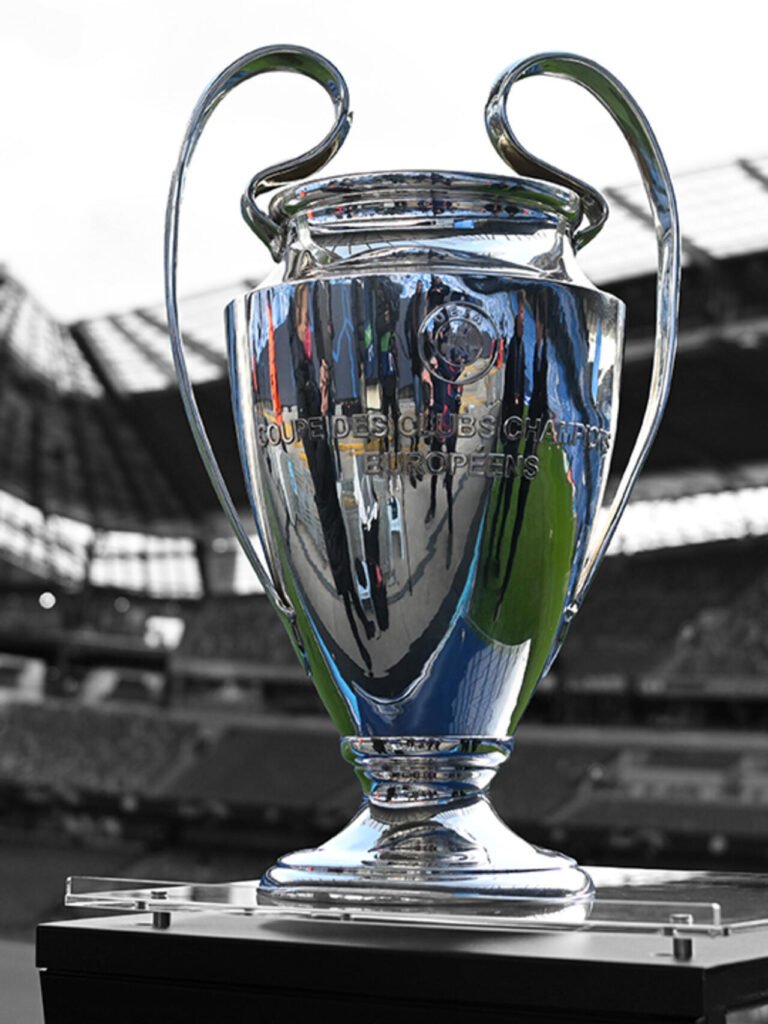
As you follow along, you’ll notice the same thrill you felt during the World Cup when teams rise to the occasion in a one-off match, but with the added narrative of a season-long campaign spanning Europe’s elite clubs.
And that’s the flavor of the 2026/27 UEFA Champions League. Real Madrid, Manchester City, Bayern, Barcelona, and PSG are the big names you’ll hear most about, but there’s ample room for underdog stories, breakout American players, and dramatic late turns in the standings. The beauty of the competition is how it blends star power with collective resilience, and how a single game can redefine a club’s entire season.
So, keep your eyes on the ball, stay curious about the tactical ideas, and enjoy every twist and turn. The journey is as much about the journey as it is about the trophy itself—an ideal bridge from World Cup nights to club glory.
Closing takeaway: the 2026/27 season is set to deliver the kind of nights that spark conversations long after the final whistle. For American fans, the Didier-style swagger of a Real Madrid night, the relentless pace of Manchester City, or the resilient grit of a Rangers or Porto test will feel like a familiar, thrilling extension of the World Cup – with more clubs chasing glory on Europe’s biggest stage. Have fun at the upcoming season Soccer fan’s
Leave a Reply